
Secure AI Applications, Agents, and Their Connections
Models accept untrusted input, agents invoke tools, and AI-generated code reaches production faster than traditional controls allow. Assessments and controls address that risk across applications, agents, data and integrations.
AI Security Capabilities
AI application and agent security assessments
Threat modeling for models, agents, data, tools, and integrations
Prompt injection and sensitive data exposure testing
Authorization and excessive agency review
Secure tool, API, MCP, and agent-to-agent connection design
Model and third-party service risk review
Logging, monitoring, and incident readiness design
Secure development controls for AI-enabled applications
Controls for AI-generated code and coding assistants
Security requirements aligned to recognized AI and application security guidance
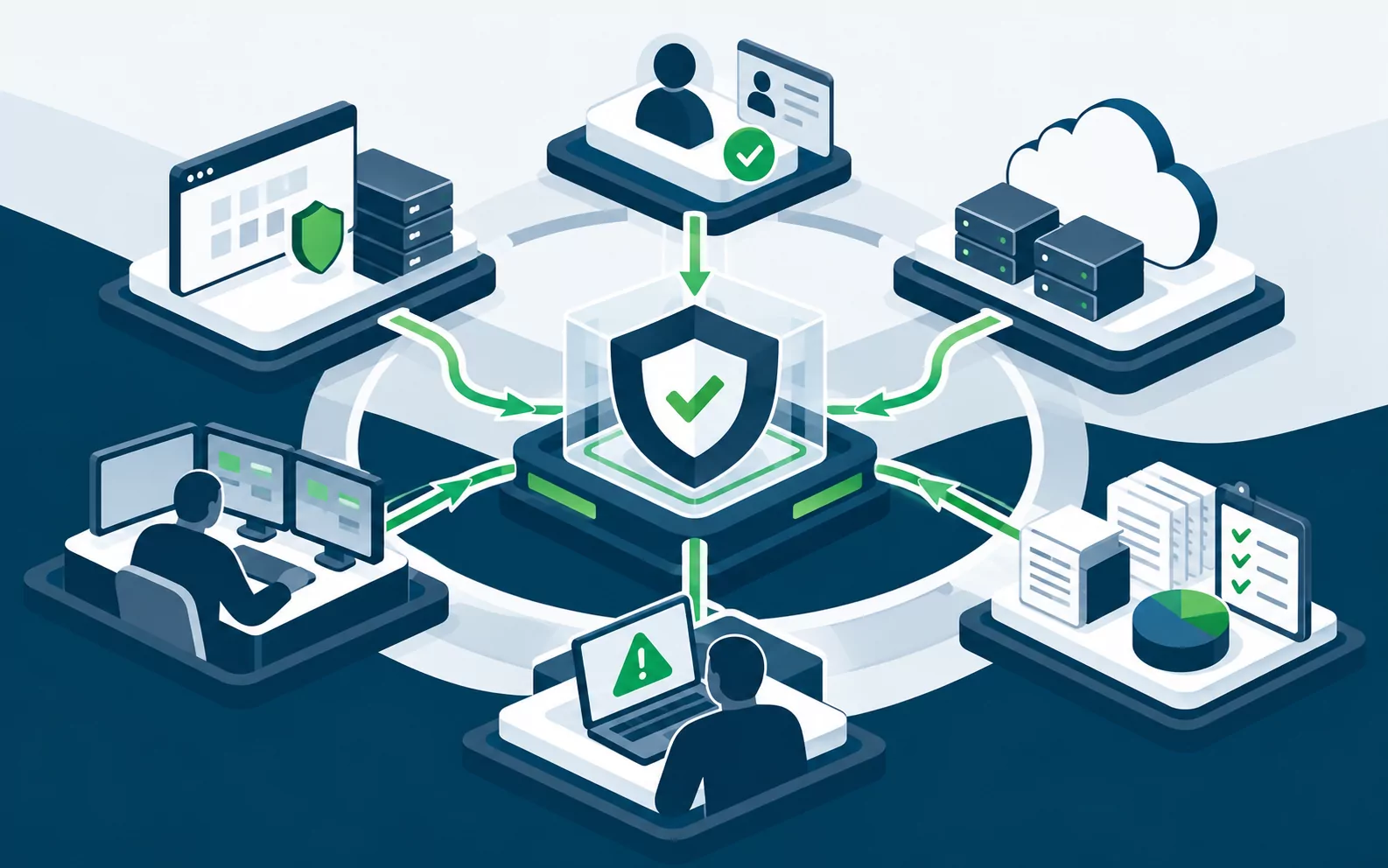
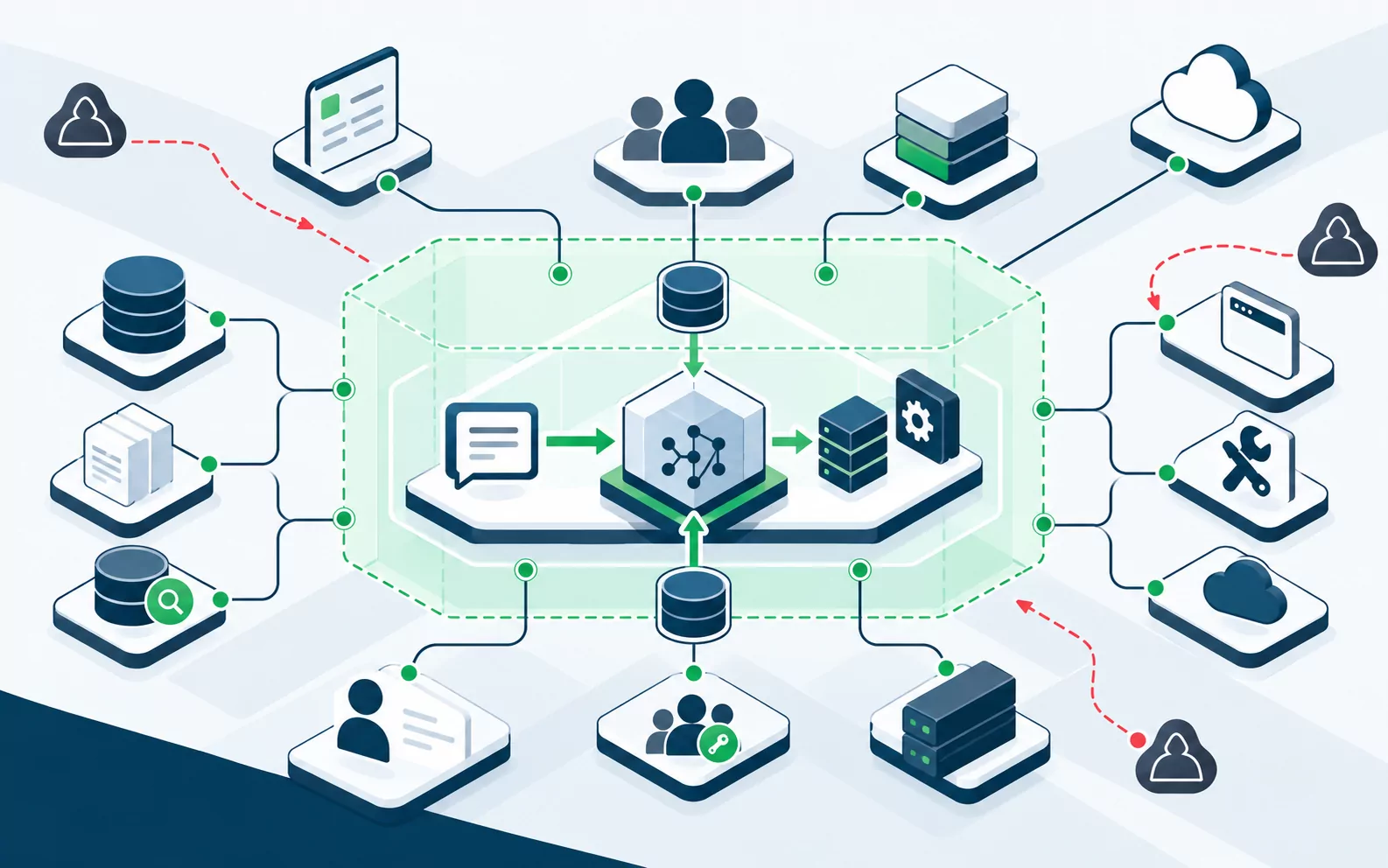
AI Trust-Boundary Map
Make the AI attack surface visible across users, models, agents, enterprise data, connected tools, identities, and external services.
Users
Prompts and context
Models
Agents
Tools and APIs
Enterprise systems
Security for Agentic Workflows
AI agents can act across enterprise systems at machine speed, which makes their permissions as important as their outputs. Securing agents lets the business adopt automation without handing over uncontrolled access.
Every agent is assessed for what it can access, how it authenticates, which tools it can invoke, what context it receives, where human approval is required and how activity is logged. The goal is to limit the impact of incorrect, manipulated or unauthorized behavior without removing the business value of automation.
Agent inventory and permission review
Authentication and workload identity design
Tool, action and data access boundaries
Human approval points for high-impact actions
Activity logging and monitoring
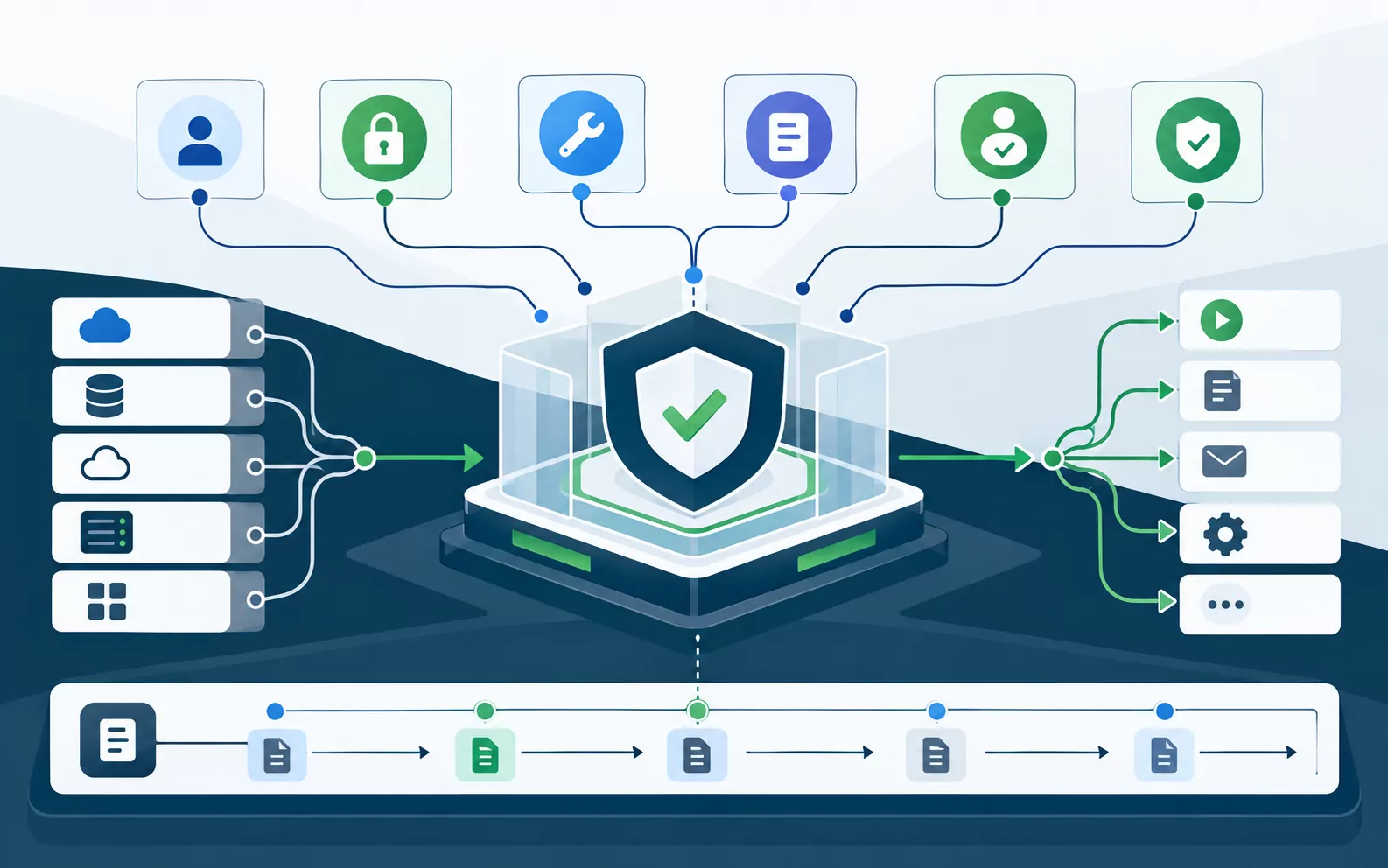
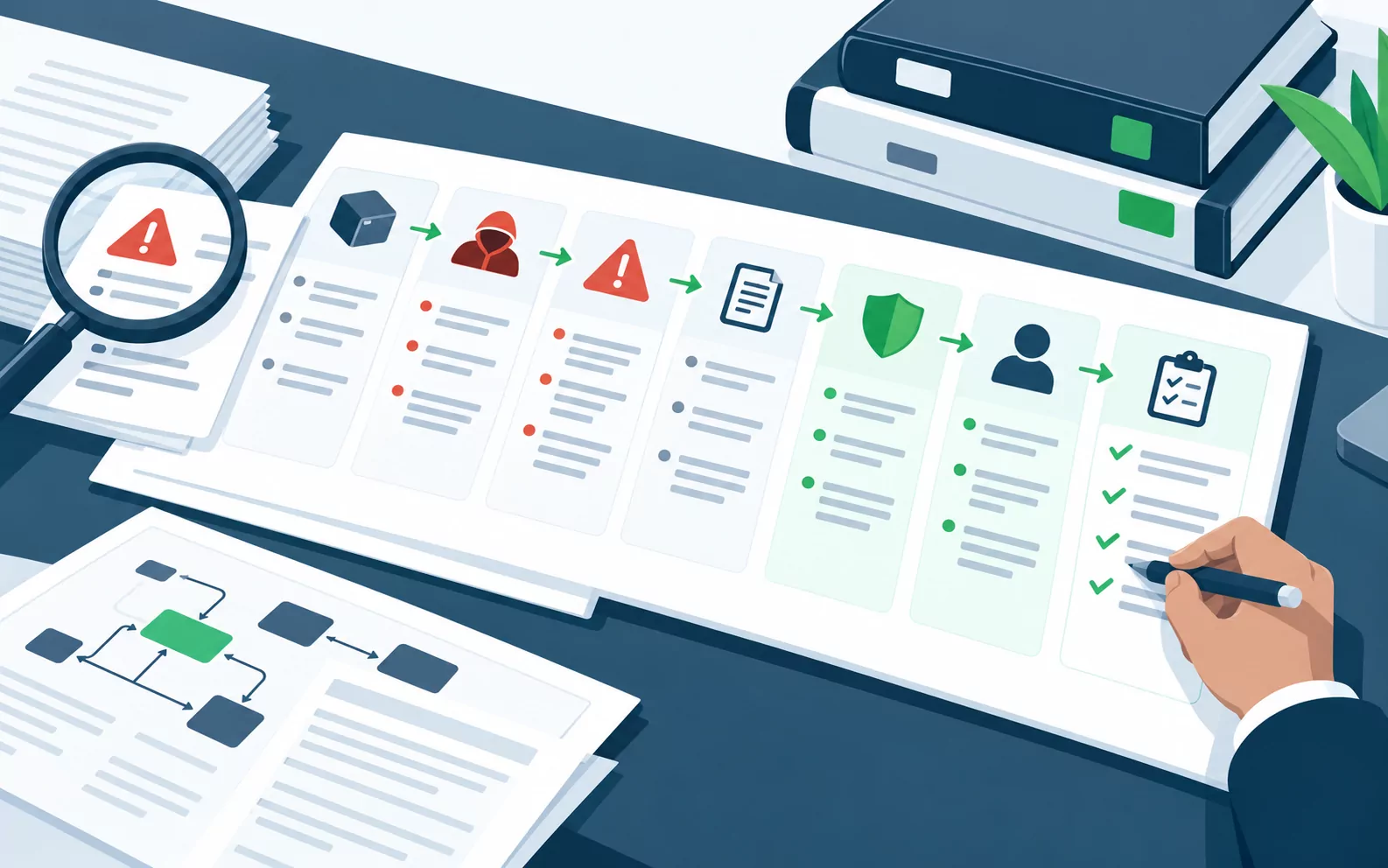
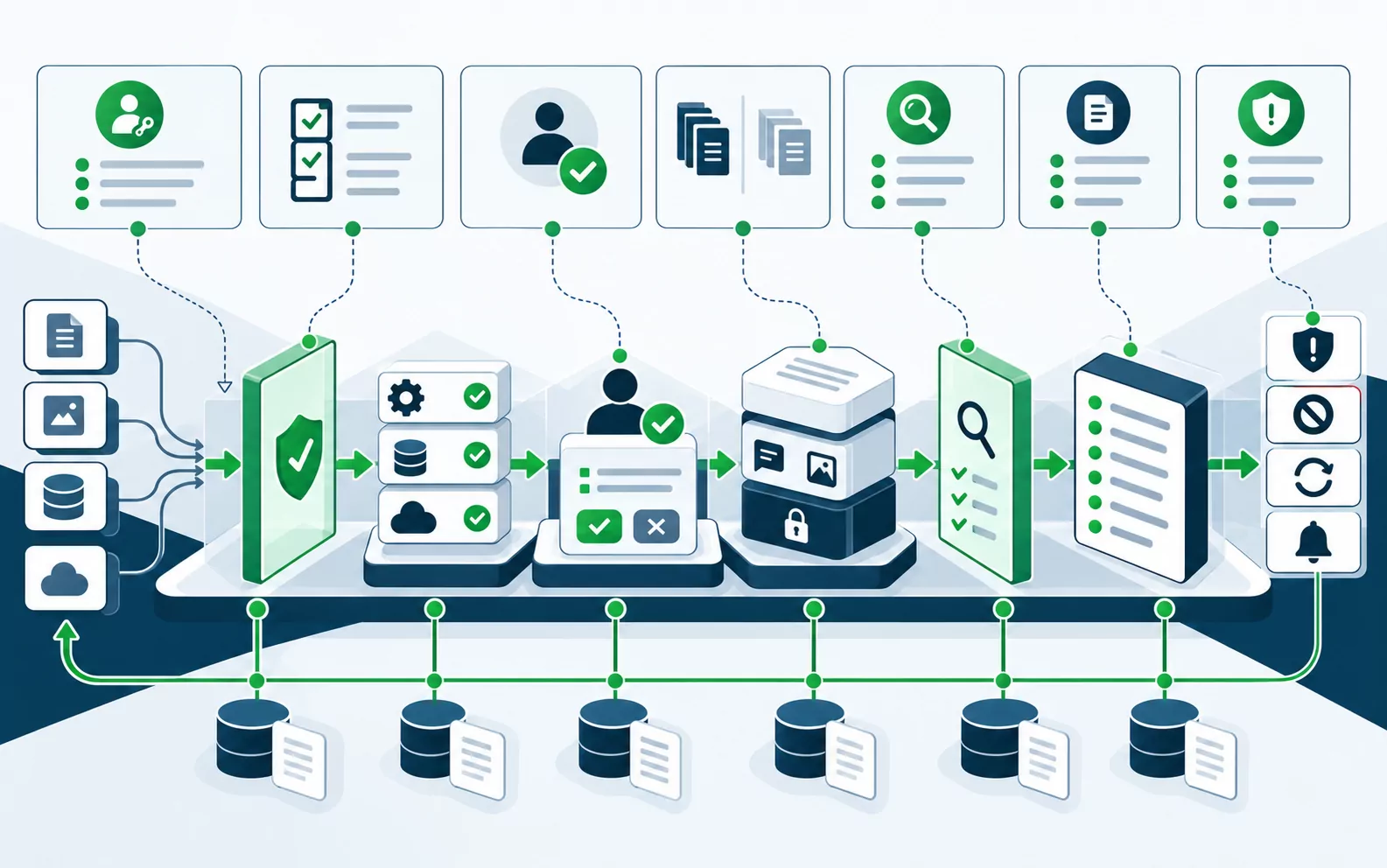
Trust Boundaries, Tested Controls, and a Risk Treatment Path for AI
Outputs show where AI systems can act, what they can reach, how they were tested, and which controls must be in place before and after release.
AI system and trust-boundary architecture
Threat model and prioritized security findings
Test plan, evidence, and remediation guidance
Identity, permission, tool-access, and approval requirements
Secure delivery and operational monitoring controls
Validation plan and risk treatment roadmap
AI Innovation With Controlled Risk
A prioritized view of AI-specific security risk
Clear control requirements for AI applications and agents
Better protection of sensitive data and connected tools
Security findings translated into actionable engineering work
Related Services
AI Governance and Compliance
A governed path for every AI use case, from intake to renewal.
Explore AI Governance and ComplianceApplication Security
Security requirements delivered inside the developer workflow, with evidence captured.
Explore Application Security