
Add Specialized Capacity Without Losing Delivery Alignment
Specialized professionals and blended teams join for a defined initiative, transition or backlog, and work within enterprise architecture, security and delivery standards from the start.
Individual specialist
A defined role embedded within a client-led team.
Blended team
Complementary roles working within shared client governance.
Managed team
Agreed outcomes, internal coordination and provider-led delivery oversight.
Project transition capacity
Temporary specialists for implementation, backlog reduction, stabilization or knowledge transfer.
Areas of Expertise
DevOps and DevSecOps architecture and engineering
Platform engineering and cloud modernization
Application security and secure development
Managed security and security operations
Governance, risk, and compliance
ServiceNow architecture, implementation, and administration
Software engineering, integration, and quality engineering
Project, program, and technical delivery management
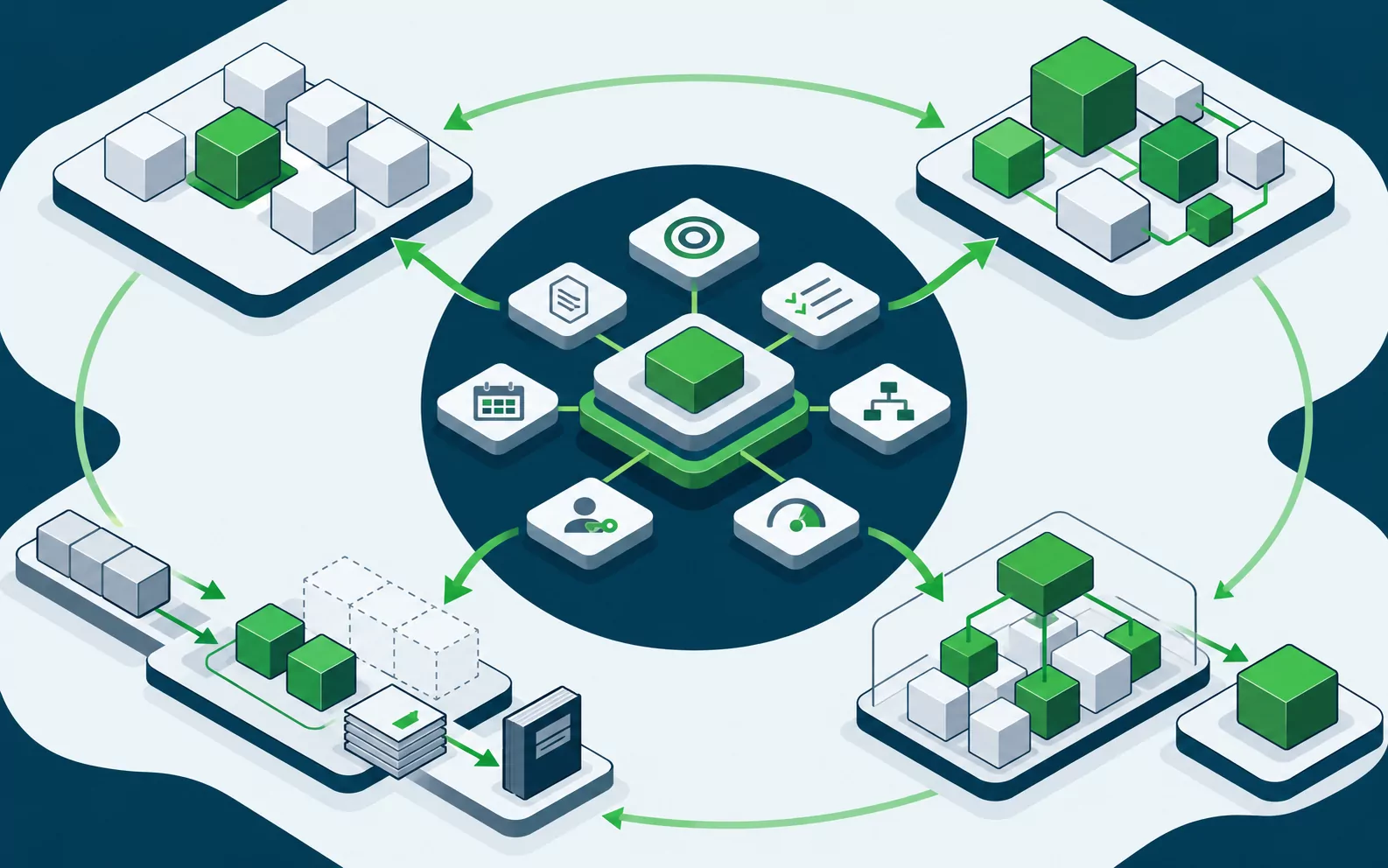
Embedded Capability Model
Connect the required outcome and role to onboarding, delivery governance, performance visibility, knowledge transfer, and continuity.
Define the need
Select capability
Onboard
Integrate
Measure
Transfer knowledge
Engagement Models
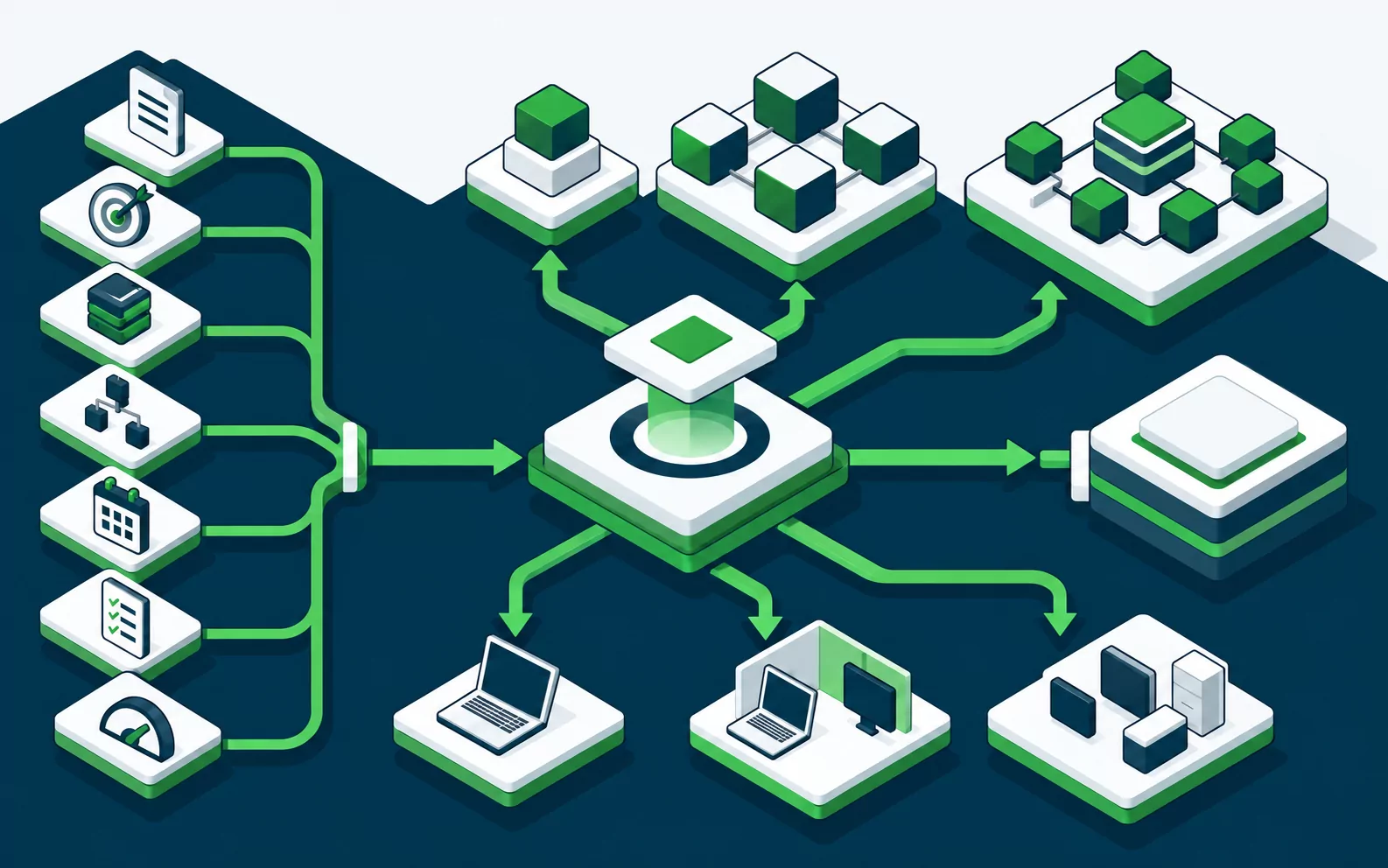
Every initiative needs a different mix of capacity. Flexible engagement models add the right expertise in the right way, without forcing a one-size-fits-all contract.
Clients can engage individual specialists, a managed team or a blended delivery model, with remote, hybrid or on-site participation based on role, location, access and project needs. The role, expected outcomes, technical requirements, reporting relationship, duration, onboarding needs and performance expectations are defined before placement.
Individual specialists embedded in client teams
Blended teams combining client and provider staff
Managed teams with agreed outcomes
Remote, hybrid or on-site participation
Roles, outcomes and onboarding defined before placement
More Than Resume Matching
A strong resume is not enough. Specialists perform best when they understand the delivery context, standards and goals from the first day.
Staffing works best when the individual is connected to the wider delivery context. Support spans technical screening, onboarding, role alignment, performance visibility, knowledge transfer and continuity planning.
Technical screening against the actual environment
Structured onboarding into the delivery context
Role alignment with project goals
Performance visibility throughout the engagement
Knowledge transfer and continuity planning
Define the Need Before Selecting the Person
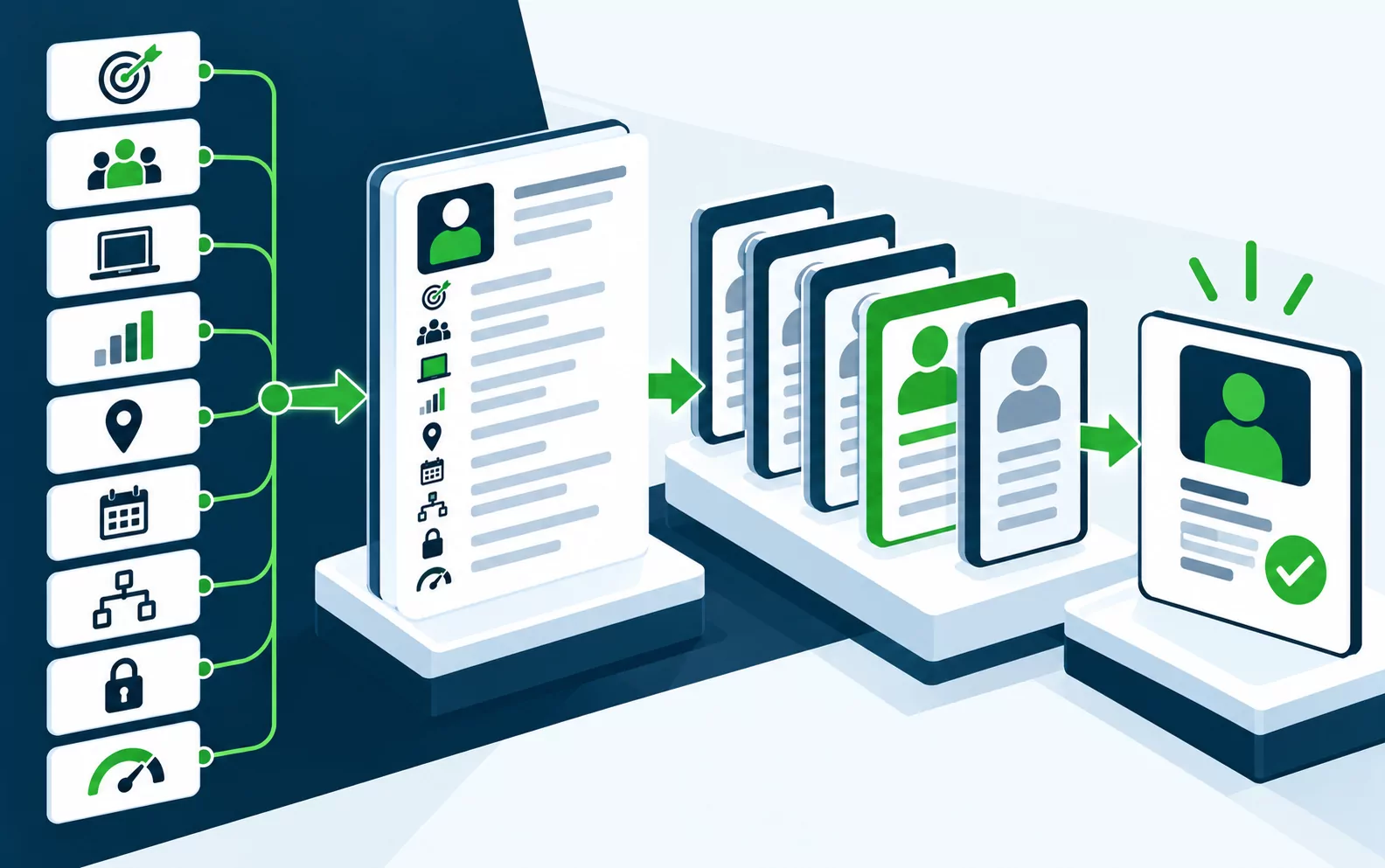
The quickest route to a strong placement is a clearly defined need. Precise role definition reduces mismatch and shortens the time to productivity.
Every placement starts with a defined outcome, responsibilities, experience, environment, seniority, location, duration, reporting line, access needs and success measures. This reduces the risk of selecting a strong candidate for an unclear or mismatched role.
Role and outcome definition
Skills, seniority and experience profile
Environment, access and location requirements
Success measures and reporting lines
Candidate shortlist matched to the defined need
Quality and Continuity Controls
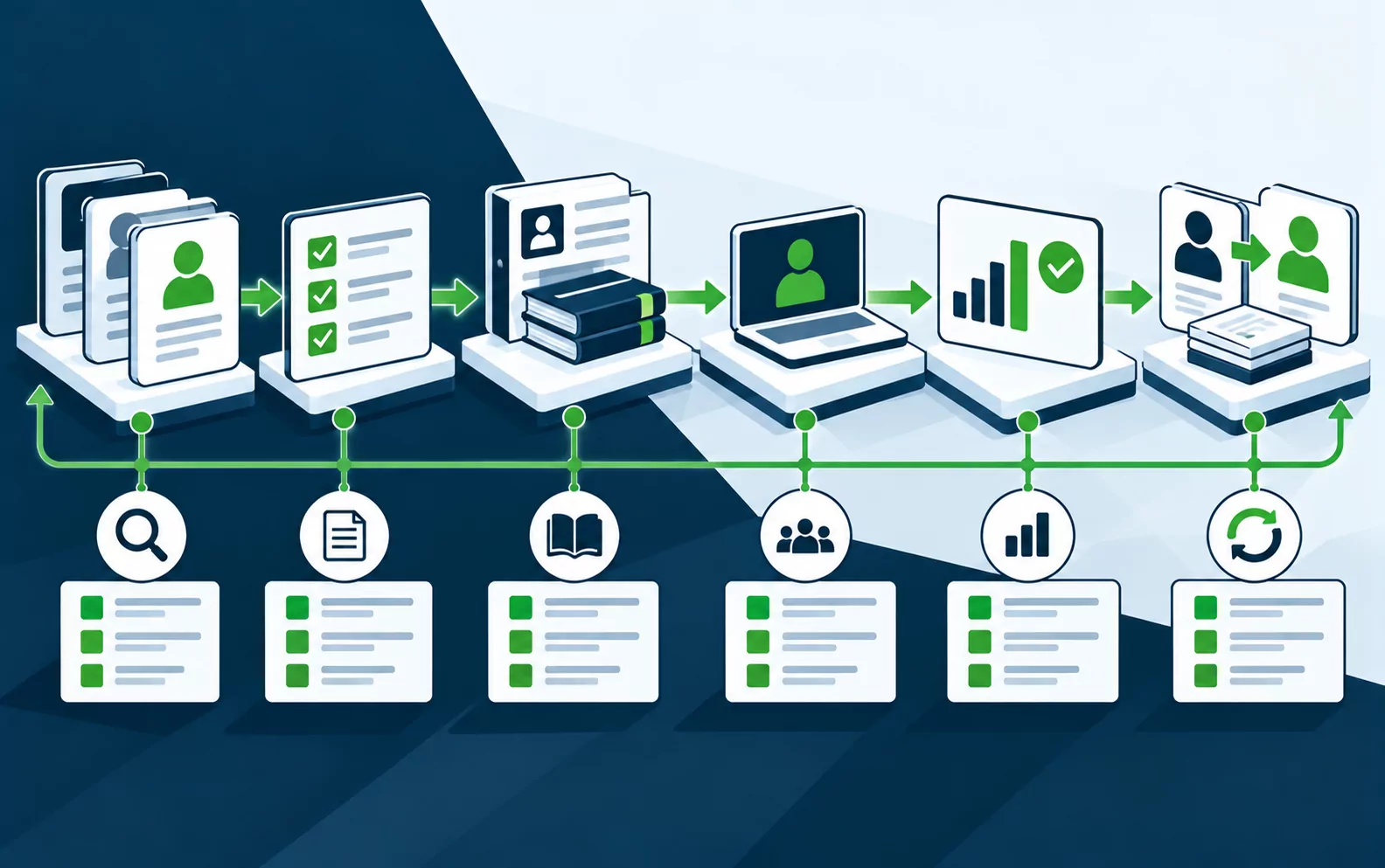
Continuity protects delivery. Quality controls throughout the engagement keep the work on track, even when people change.
Candidates are evaluated against the agreed role and environment, and onboarding can include delivery context, client standards, responsibilities, communication expectations and initial priorities. Where included, performance visibility, replacement planning and knowledge-transfer expectations are maintained throughout the engagement.
Evaluation against the agreed role and environment
Onboarding to client standards and priorities
Regular performance check-ins
Replacement planning, where included
Documented knowledge transfer at transition
Engagement Options
Choose the level of involvement that fits the initiative, from one specialist to a fully managed team.
Each option defines responsibilities, governance and reporting before work begins.
Individual specialist: a defined role embedded within a client-led team
Blended team: several complementary roles working within shared client governance
Managed team: agreed outcomes, internal coordination and provider-led delivery oversight
Project transition capacity: temporary specialists supporting implementation, backlog reduction, stabilization or knowledge transfer
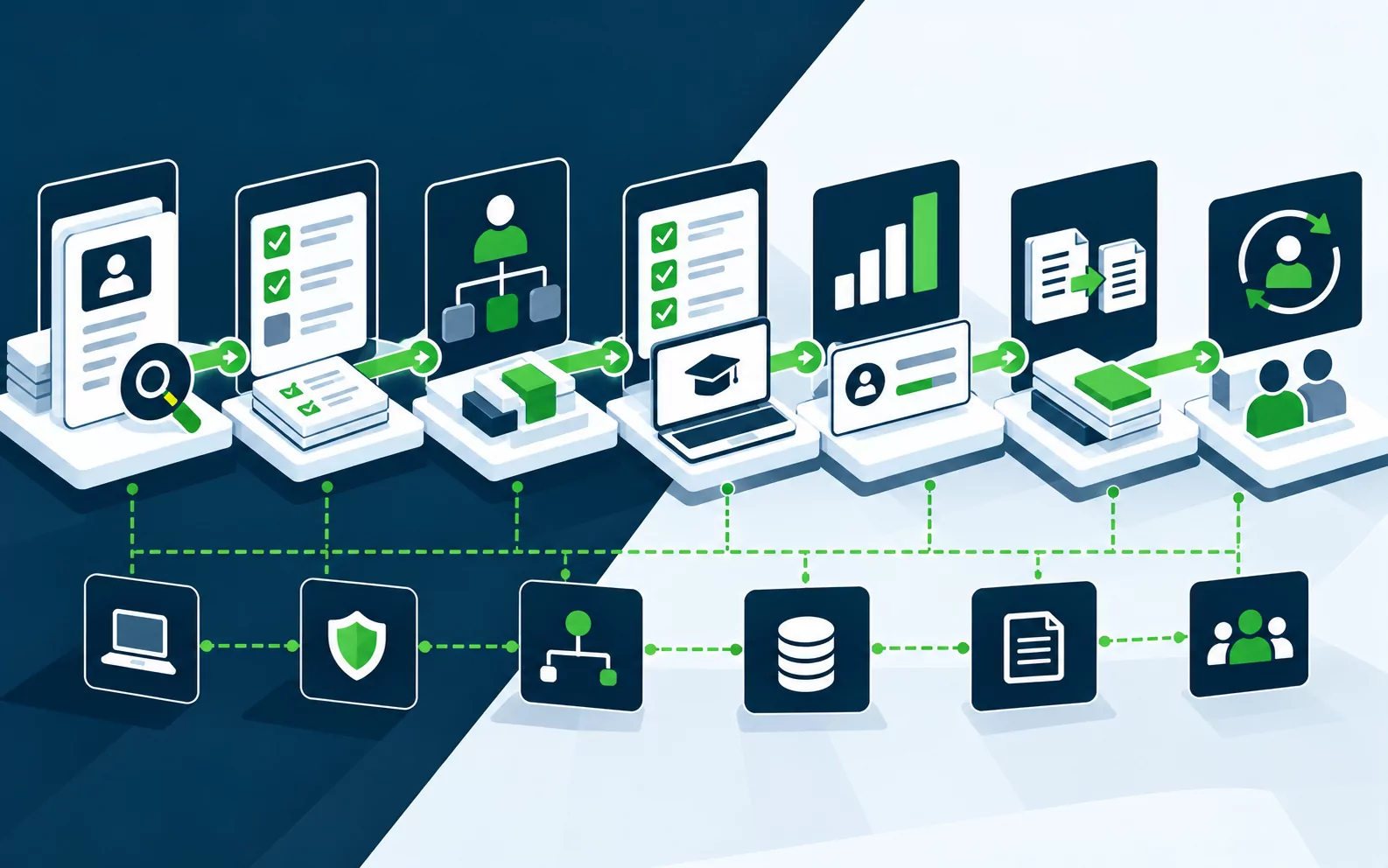
Specialists Matched to a Defined Need, With a Plan for Continuity
Outputs start with the role definition and carry through screening, onboarding, performance expectations, and knowledge transfer at the end of the engagement.
Role and capability definition
Candidate evaluation and technical screening summary
Onboarding and access plan
Responsibility, reporting, and performance expectations
Capacity plan and continuity approach
Knowledge-transfer and transition plan
Capacity That Strengthens the Team
Faster access to specialized capabilities
Capacity aligned to the duration of the need
Clear role expectations and accountability
Flexible scaling across project phases
Better integration between added talent and the existing team
Related Services
Project and Program Management
One governed view of teams, vendors, dependencies and decisions.
Explore Project and Program ManagementPlatform Engineering
Self-service golden paths that give product teams a governed route to production.
Explore Platform Engineering