
Extend Security Operations With Defined Coverage and Accountability
Reliable visibility, prioritization and response, without more alerts that lack context. Coverage is aligned to the environment, risk profile and operating model, with responsibilities defined before monitoring begins.
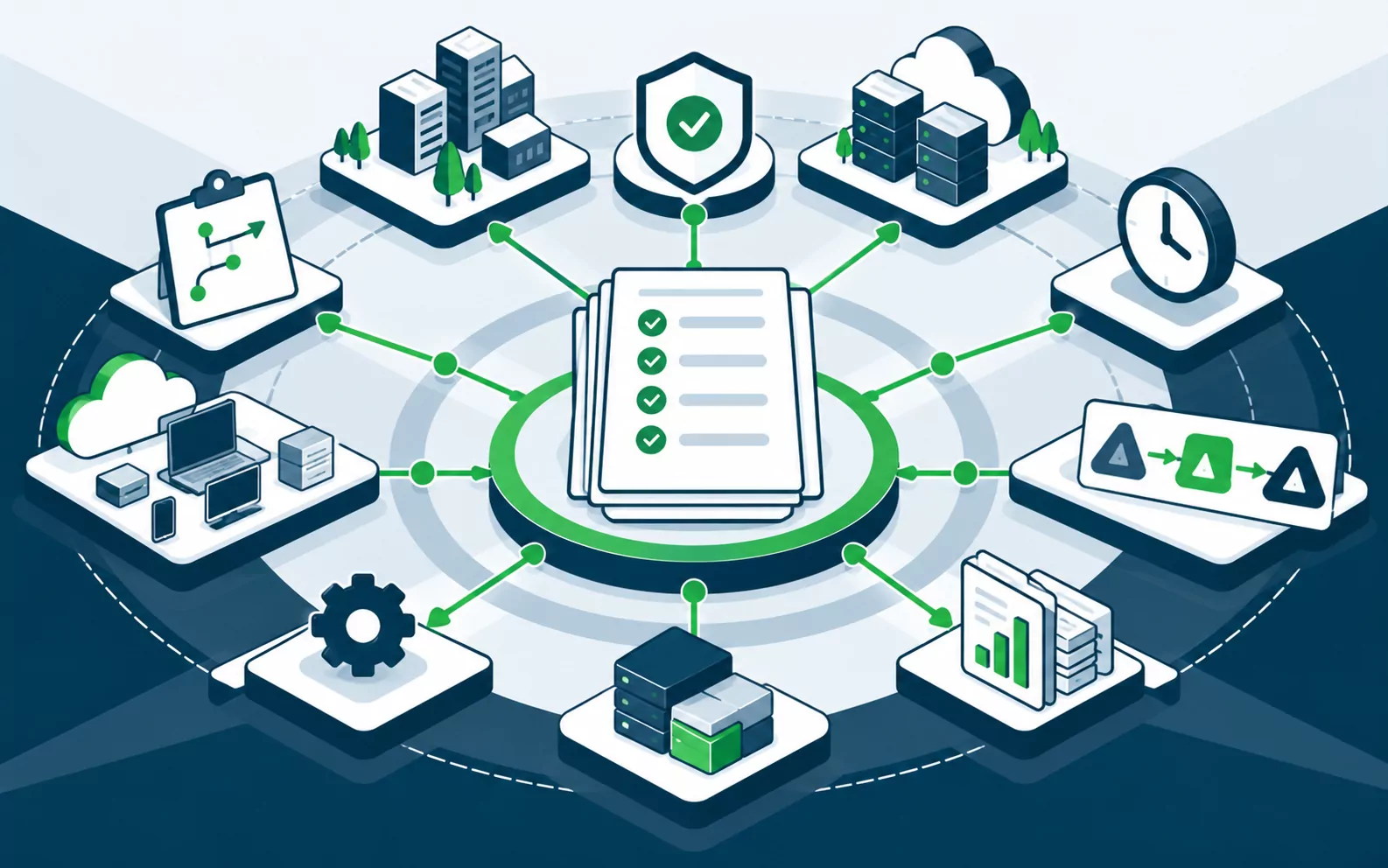
Managed Security Capabilities
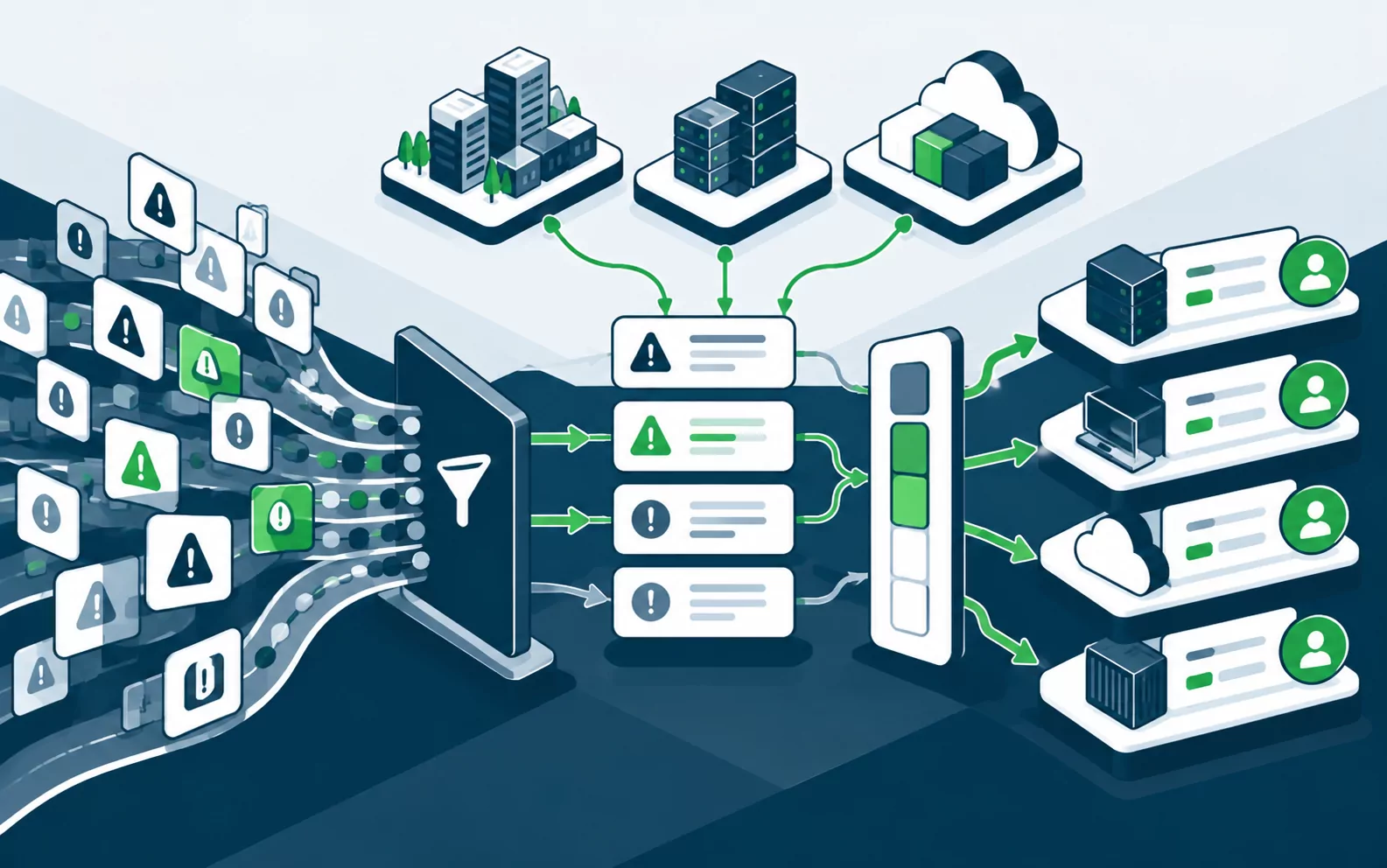
Security monitoring and alert triage
Vulnerability assessment and lifecycle management
Incident readiness and response support
Threat hunting and security analysis
Cloud, endpoint, network, and application security visibility
Security tool integration and operational improvement
Use-case tuning and false-positive reduction
Reporting for leadership, risk, and compliance stakeholders
Runbooks, escalation paths, and evidence retention
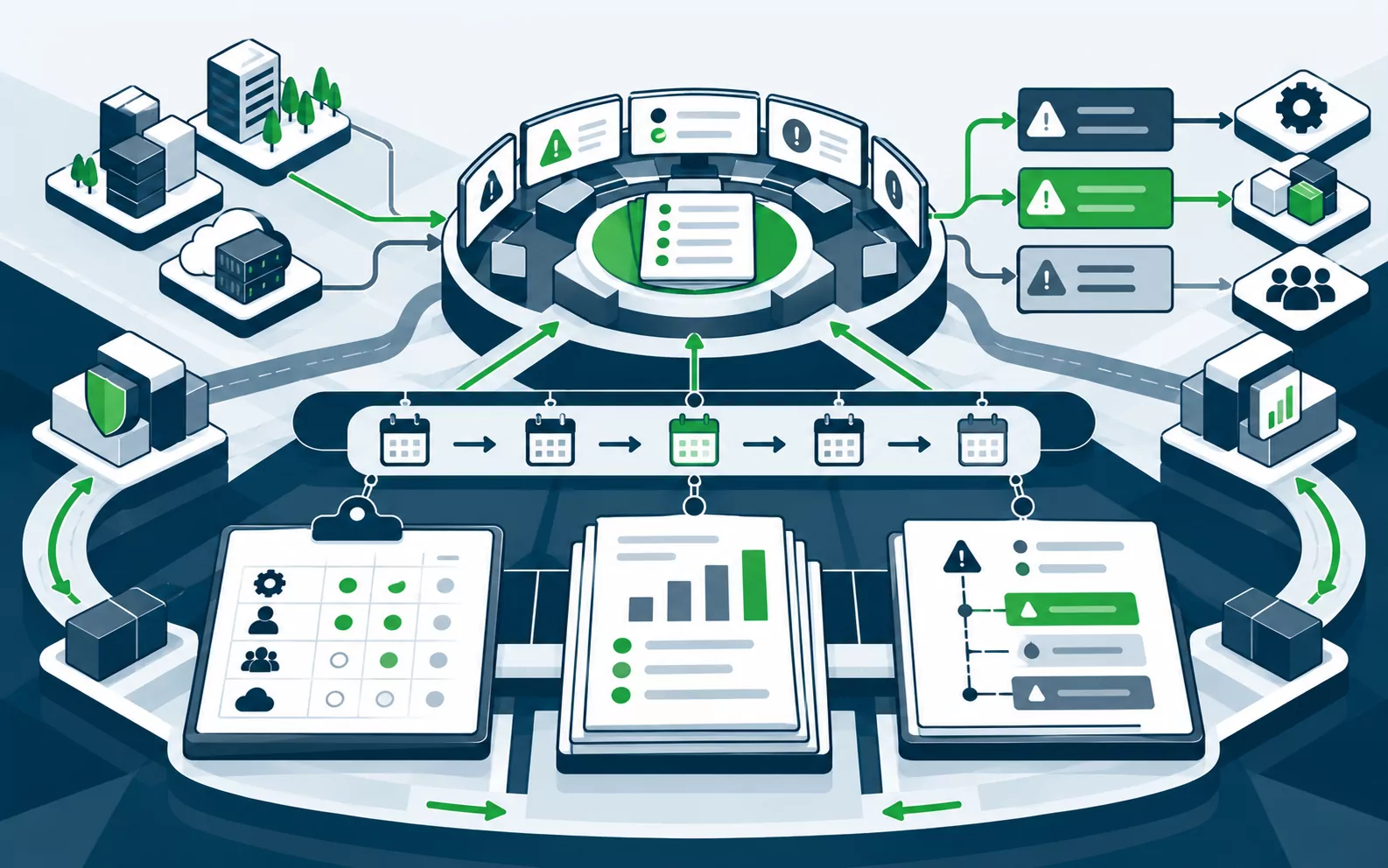
Detect-to-Decision Operating Timeline
Show how an agreed security signal moves through validation, business prioritization, accountable response, evidence retention, and reporting.
Intake
Validate
Prioritize
Assign
Respond
Report
A Service Model Defined Up Front
Managed security works best when everyone knows exactly what is covered, who acts and how quickly. A defined service model removes ambiguity before the first alert arrives.
Each engagement documents the systems in scope, service hours, responsibilities, escalation process, response expectations, dependencies, reporting cadence and exclusions. Coverage can augment an existing security team or provide a defined managed capability for selected technologies and environments.
Scope of systems, environments and technologies covered
Service hours, response expectations and escalation paths
Responsibility matrix across the service, the client and other providers
Onboarding plan, log source integration and detection tuning
Exclusions and dependencies documented in the agreement
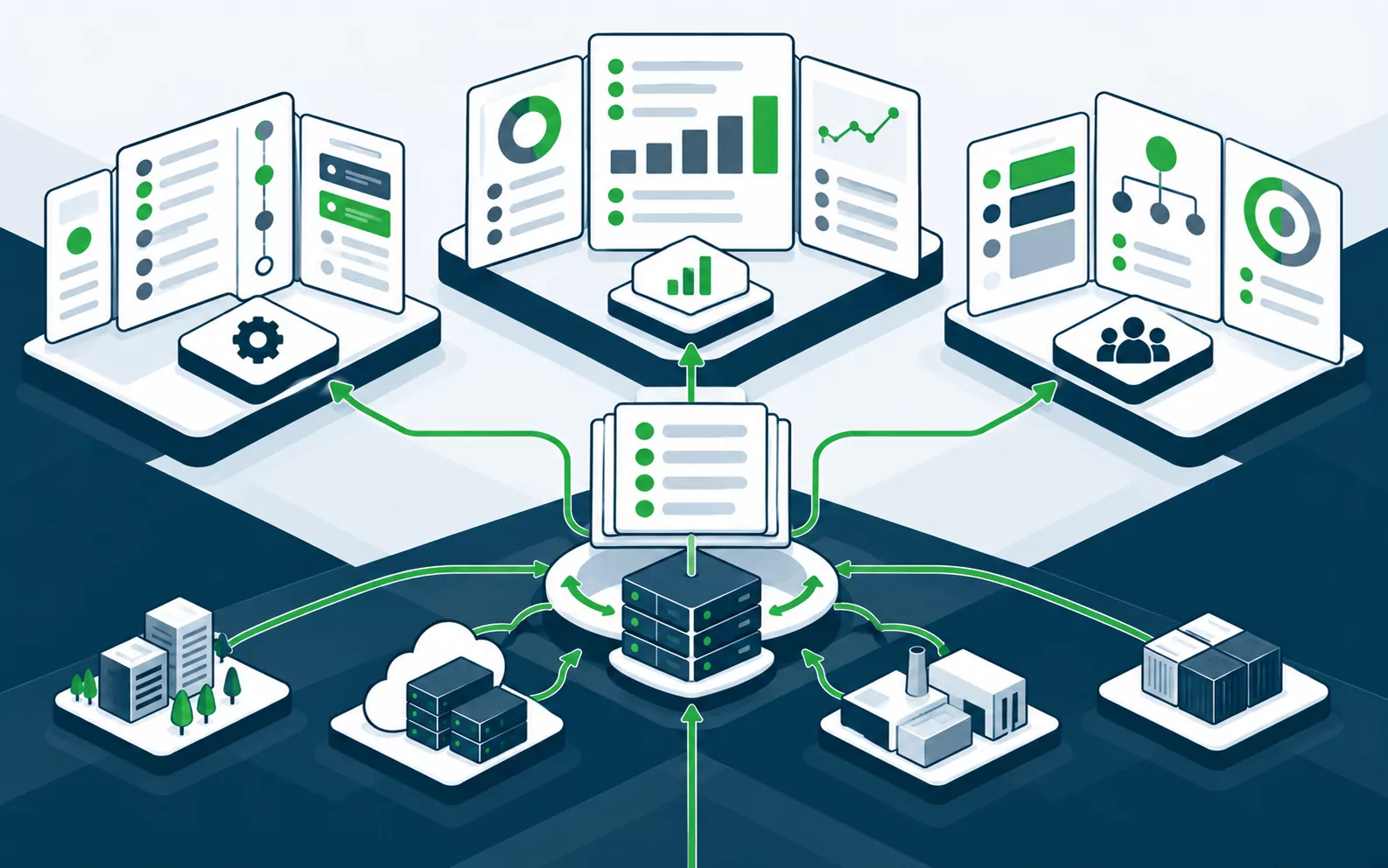
A Security Service With Scope, Cadence, and Accountability Defined up Front
Before monitoring begins, the service is documented: what is covered, who responds, how issues escalate, and how performance is reviewed.
Service definition, scope, hours, and responsibility matrix
Onboarding plan and in-scope asset baseline
Monitoring, triage, vulnerability, and escalation runbooks
Severity, priority, exception, and evidence rules
Operational dashboards and governance reports
Service review cadence and improvement backlog
What Stronger Security Operations Look Like
Better visibility across agreed environments
More consistent triage and escalation
Prioritized vulnerability remediation
Documented incident processes and responsibilities
Reporting aligned to business and compliance needs
Additional security capacity without rebuilding every capability internally
Related Services
Governance Risk and Compliance
One control framework that satisfies multiple obligations with evidence from daily operations.
Explore Governance Risk and ComplianceAI Security
AI applications and agents assessed and protected across every connection they reach.
Explore AI SecurityApplication Security
Security requirements delivered inside the developer workflow, with evidence captured.
Explore Application Security