
Build Software Around the Business Process
When configuration, integration or an existing product cannot serve a critical process, secure enterprise applications are built around defined outcomes, long-term ownership and total operating cost.
Custom Software Capabilities
Product discovery and requirements definition
User, workflow, and service design
Solution and integration architecture
Web, API, data, and enterprise application development
Cloud-native and containerized application development
Legacy application modernization
Quality engineering and automated testing
DevSecOps and application security integration
Deployment, documentation, knowledge transfer, and support planning
Blueprint-to-Product Release Path
Connect product discovery, architecture, secure engineering, validation, launch, ownership, and continuous improvement.
Discover
Design
Build
Validate
Launch
Improve
Build With the Future Owner in Mind
Software is a long-term asset. Building with the eventual owner in mind keeps applications affordable to run, easy to change and free of avoidable dependency.
Technology choices account for the client’s architecture, internal skills, integration standards, security controls, support model and expected lifecycle. Architecture stays as simple as the requirement allows, so the application remains easy to operate and change.
Architecture aligned with enterprise standards and skills
Technology stack selection with the full lifecycle in mind
Maintainable code, documentation and automated tests
Deployment, monitoring and support design
Handover and knowledge transfer to internal teams
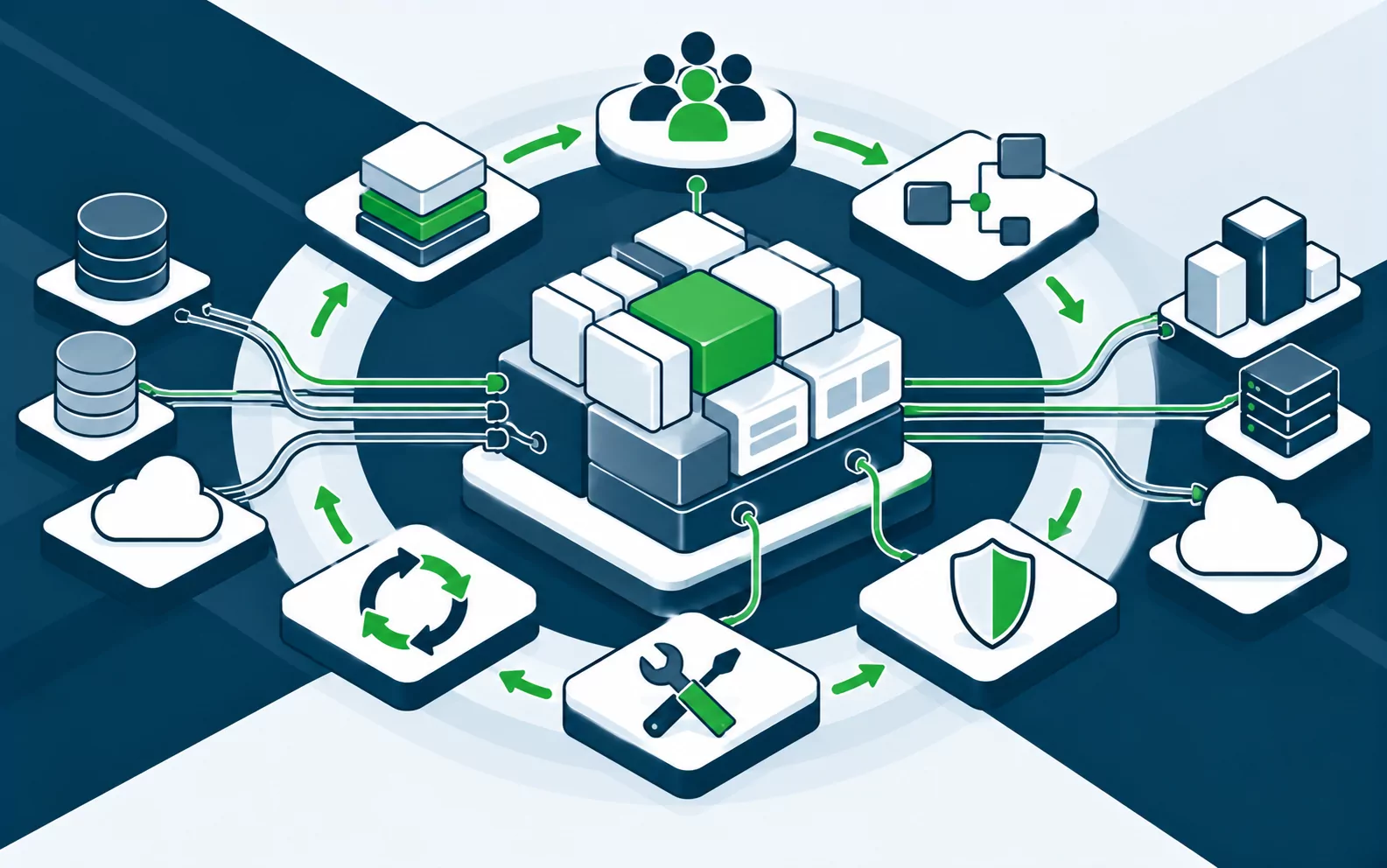
Security Throughout Delivery
Security added at the end is expensive and incomplete. Building it into every stage protects data and users without delaying release.
Security requirements, threat analysis, code and dependency testing, secrets management, access control and release governance are integrated into the delivery process. Requirements are adjusted to the application’s risk, data, users and operating environment.
Security requirements and threat modeling
Secure coding practices and peer review
Code, dependency and container scanning in CI/CD
Secrets management and access control
Release governance and pre-production security testing
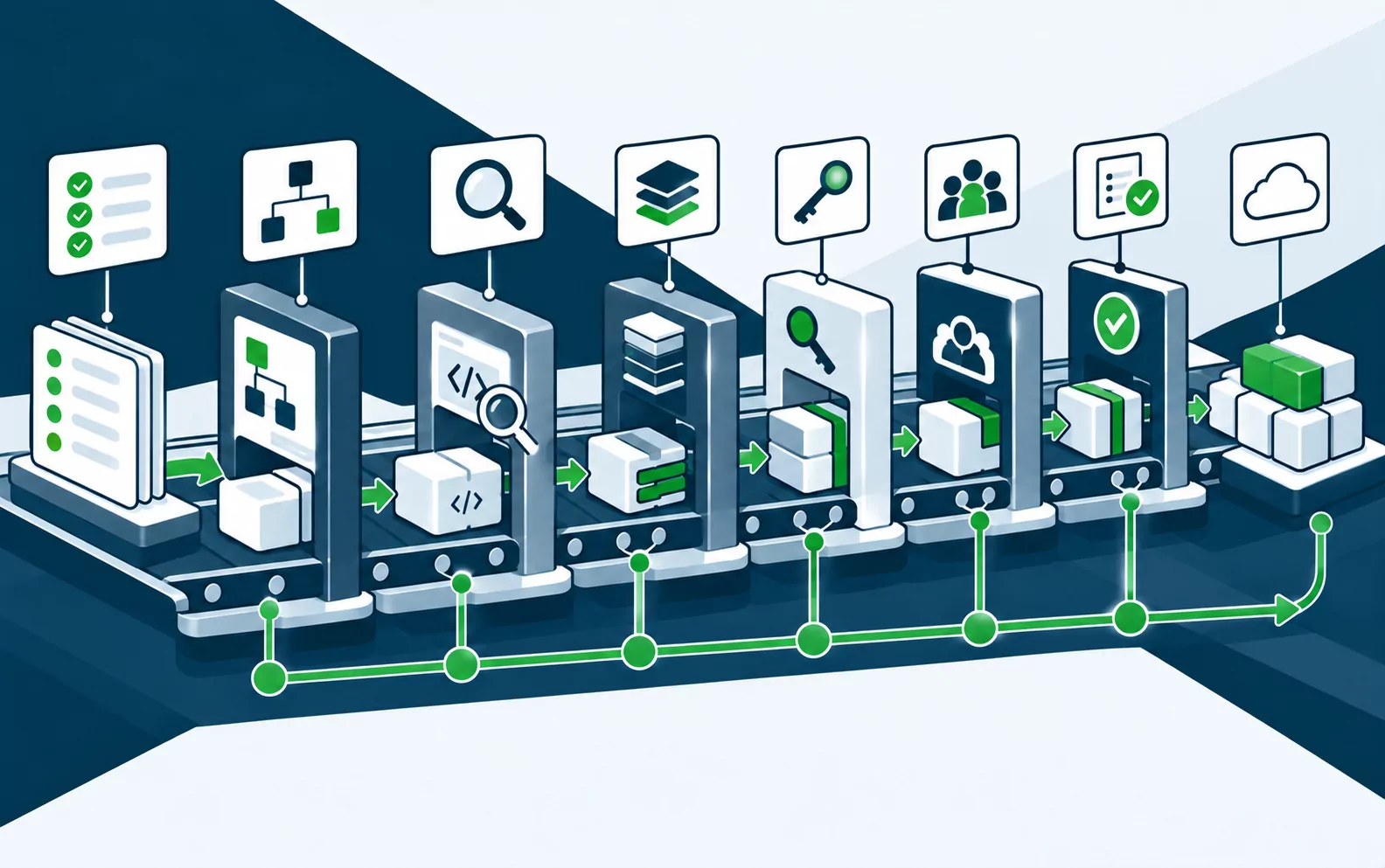
Decide Whether Custom Software Is Justified
Custom software is not always the answer. An honest build-or-buy assessment protects budgets and directs engineering effort where it creates real differentiation.
Custom development is weighed against process change, configuration, product acquisition and integration before any build is recommended. The recommendation considers functional fit, differentiation, security, implementation time, licensing, data needs, long-term ownership and total lifecycle cost.
Build, buy, configure or integrate assessment
Functional fit and differentiation analysis
Total lifecycle cost comparison
Risk, security and data considerations
Recommendation with a clear rationale
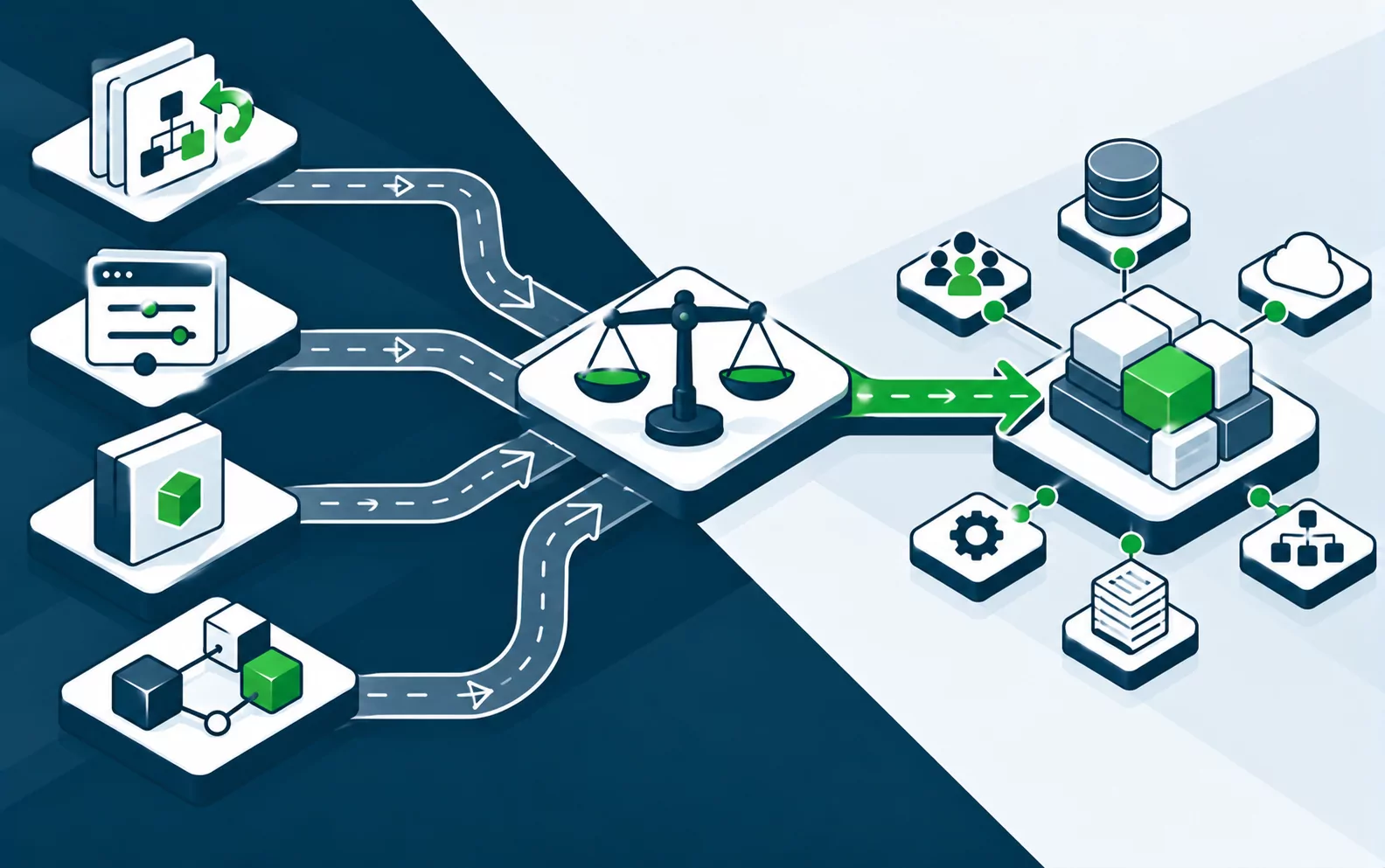
Deliver in Reviewable Increments
Short, reviewable increments put working software in front of stakeholders early, so direction can change before budget is spent.
Discovery establishes the user, process, outcome, constraints and minimum viable release, and architecture defines the application, integration, data, security, deployment and support model. Quality engineering covers functional behavior, integration, performance, security, accessibility where applicable, deployment, recovery and operational readiness.
Product discovery and minimum viable release definition
Application, integration and data architecture
Agile delivery in short, reviewable increments
Functional, performance and security testing
Release readiness, recovery and operational handover
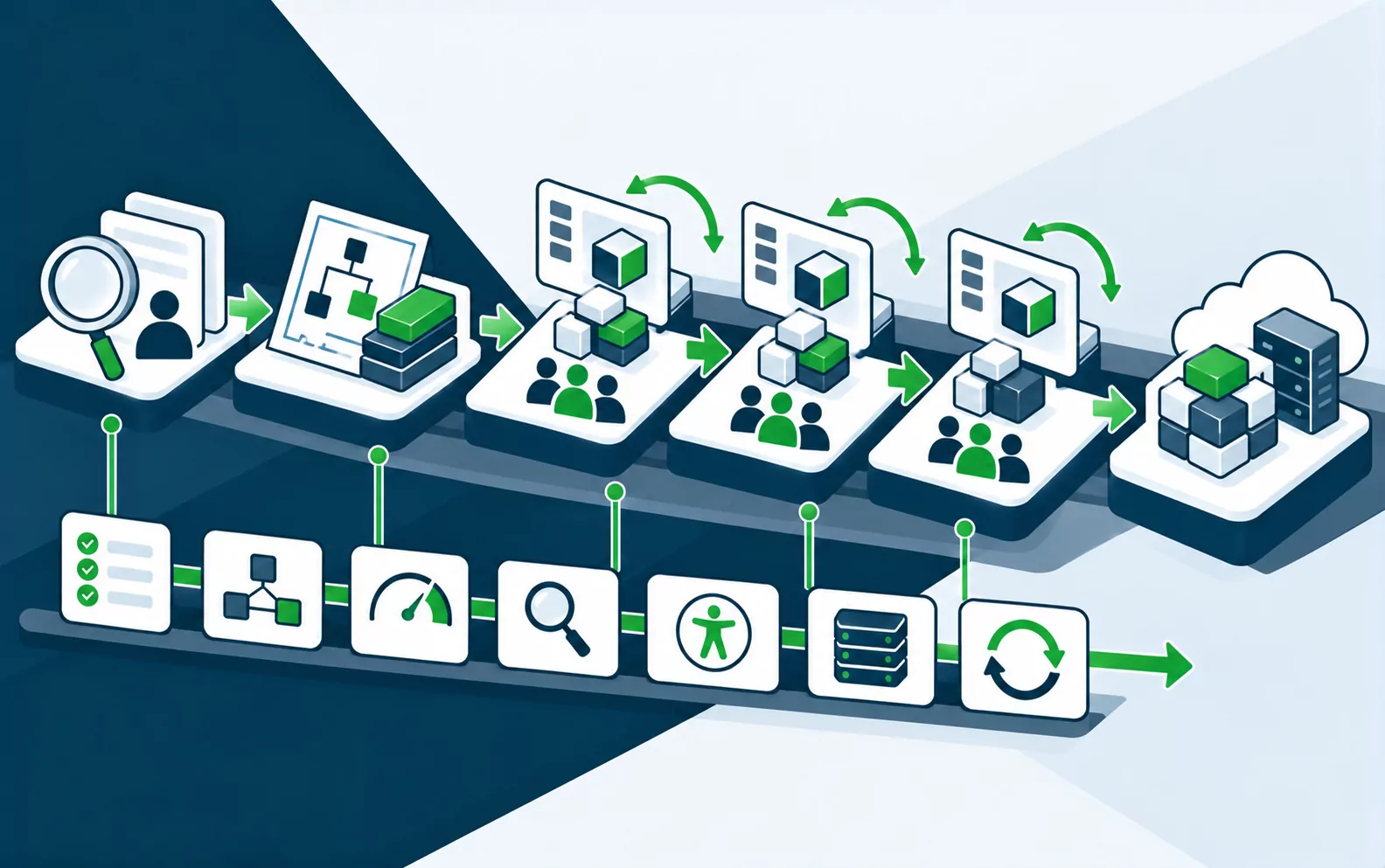
Working Software Built to Be Owned, Supported, and Improved
Outputs include the application and everything needed to run it: tests, pipeline, documentation, and a transition plan for the team that owns it next.
Product brief, process definition, and prioritized backlog
User experience, solution, integration, data, and security design
Working application, APIs, integrations, and automated tests
CI/CD pipeline and release controls
Technical documentation, runbooks, and support model
Deployment, transition, knowledge-transfer, and improvement plan
Software Built to Last
Software aligned to a specific business process
Incremental delivery with regular stakeholder review
Security and quality controls built into development
Documented architecture and operational ownership
Knowledge transfer that reduces long-term dependency
Related Services
Application Security
Security requirements delivered inside the developer workflow, with evidence captured.
Explore Application SecurityIntelligent Automation and Agentic AI
Automation with clear boundaries, human approval and measured results.
Explore Intelligent Automation and Agentic AI