
Turn Security Requirements Into Development Work
Security policy becomes specific, actionable requirements inside the developer workflow. Security Compass SD Elements connects risk analysis, guidance, evidence and governance across the software lifecycle.

Application Security Capabilities
Secure development lifecycle design and improvement
Application and project profiling
Security requirements generation and tailoring
Threat modeling and architecture risk analysis
SD Elements implementation and workflow integration
CI/CD, issue tracking, portal, and developer tool integration
Security Champion operating models
Requirement applicability and exception workflows
Evidence capture and audit traceability
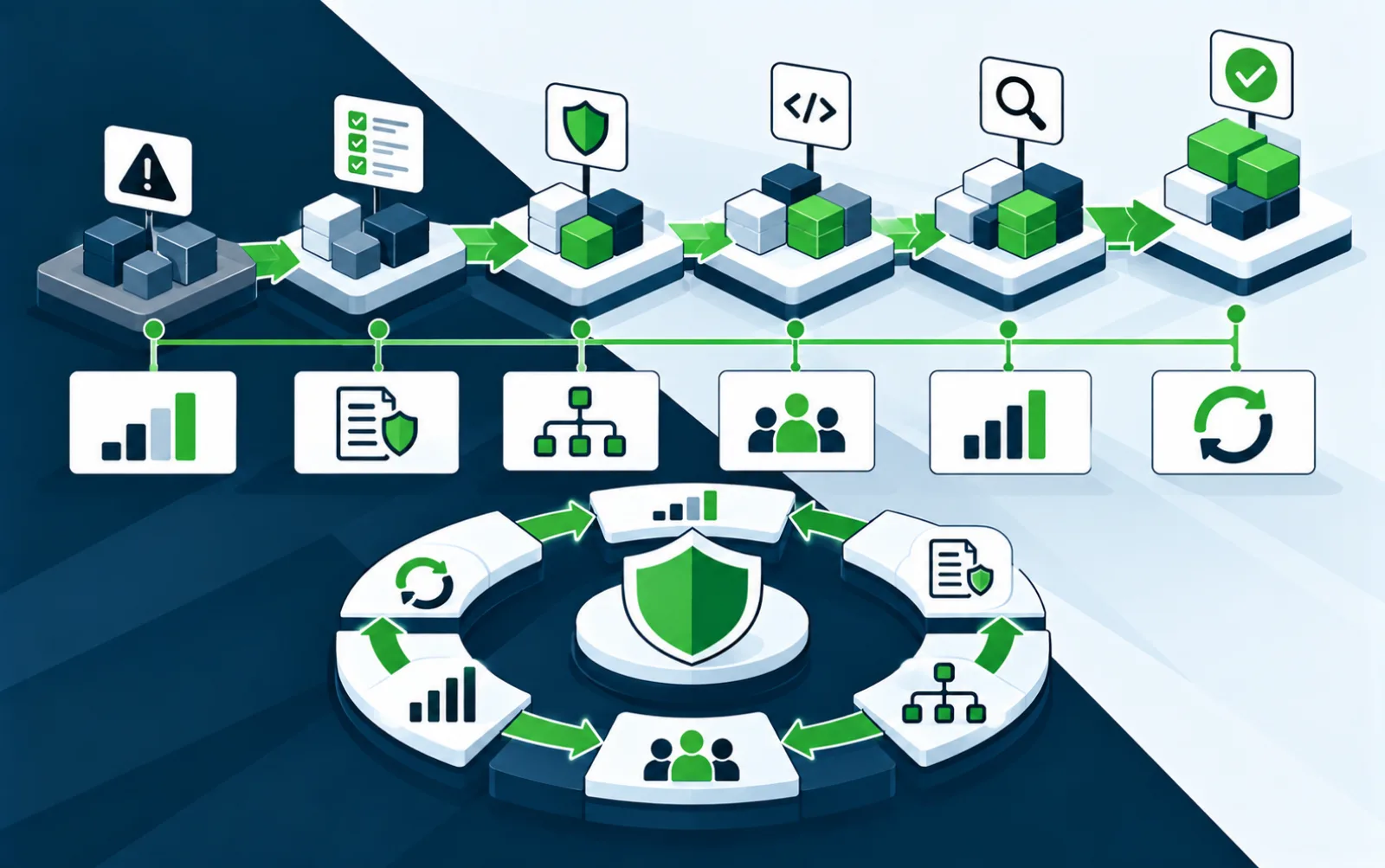
Metrics for adoption, coverage, and remediation
Requirements-to-Evidence Traceability
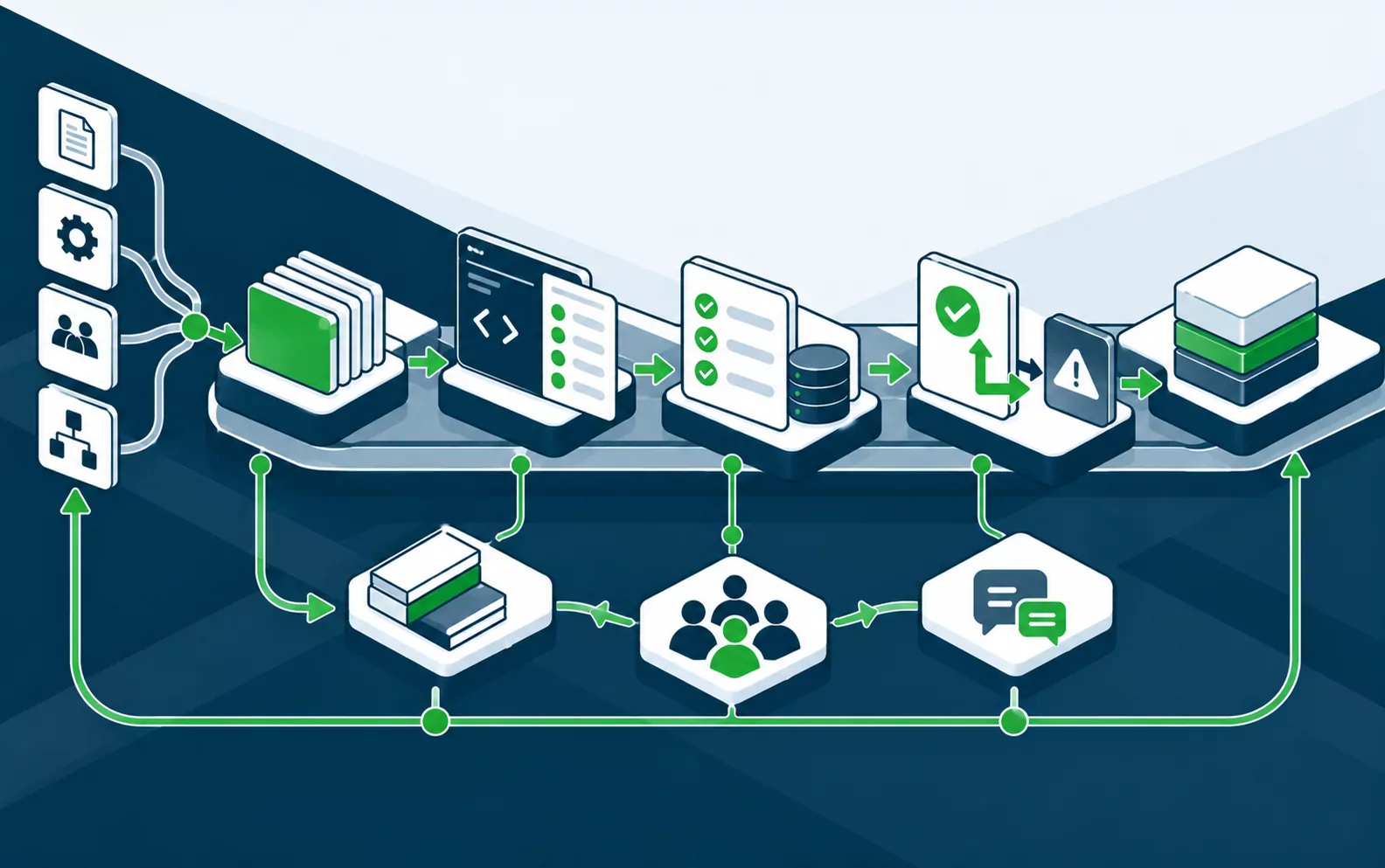
Follow one security requirement from application context through developer action, applicability decisions, evidence, and governance review.
Application context
Security requirement
Developer action
Evidence capture
Exception decision
Governance reporting
AI-Assisted Security Workflows
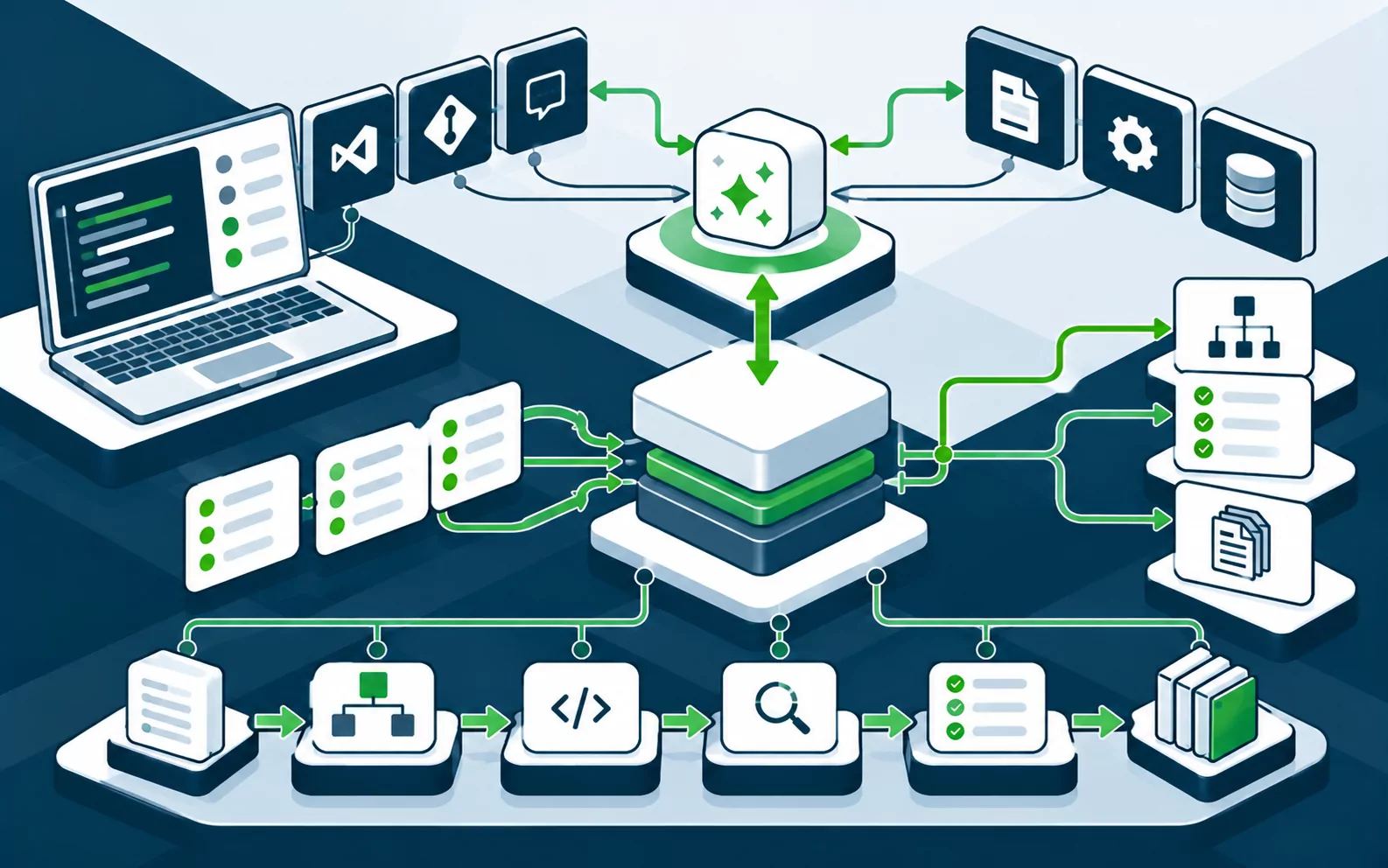
Developers adopt security guidance fastest when it appears where they already work. AI-assisted workflows bring requirements and evidence capture into their own tools, removing the back-and-forth that slows both security and engineering.
Approved AI assistants connect to SD Elements through the Model Context Protocol (MCP), so developers create projects, complete profiling, retrieve requirements and capture evidence from their own tools. Human review remains part of decisions that affect security scope, exceptions or production changes, preserving traceability and control.
SD Elements setup and MCP integration with approved AI assistants
Guided project profiling and requirement retrieval
Evidence capture from developer tools and pipelines
Human-review checkpoints for scope, exceptions and production changes
Guardrails and logging for AI-assisted security activity
Security Requirements Delivered Inside the Developer Workflow
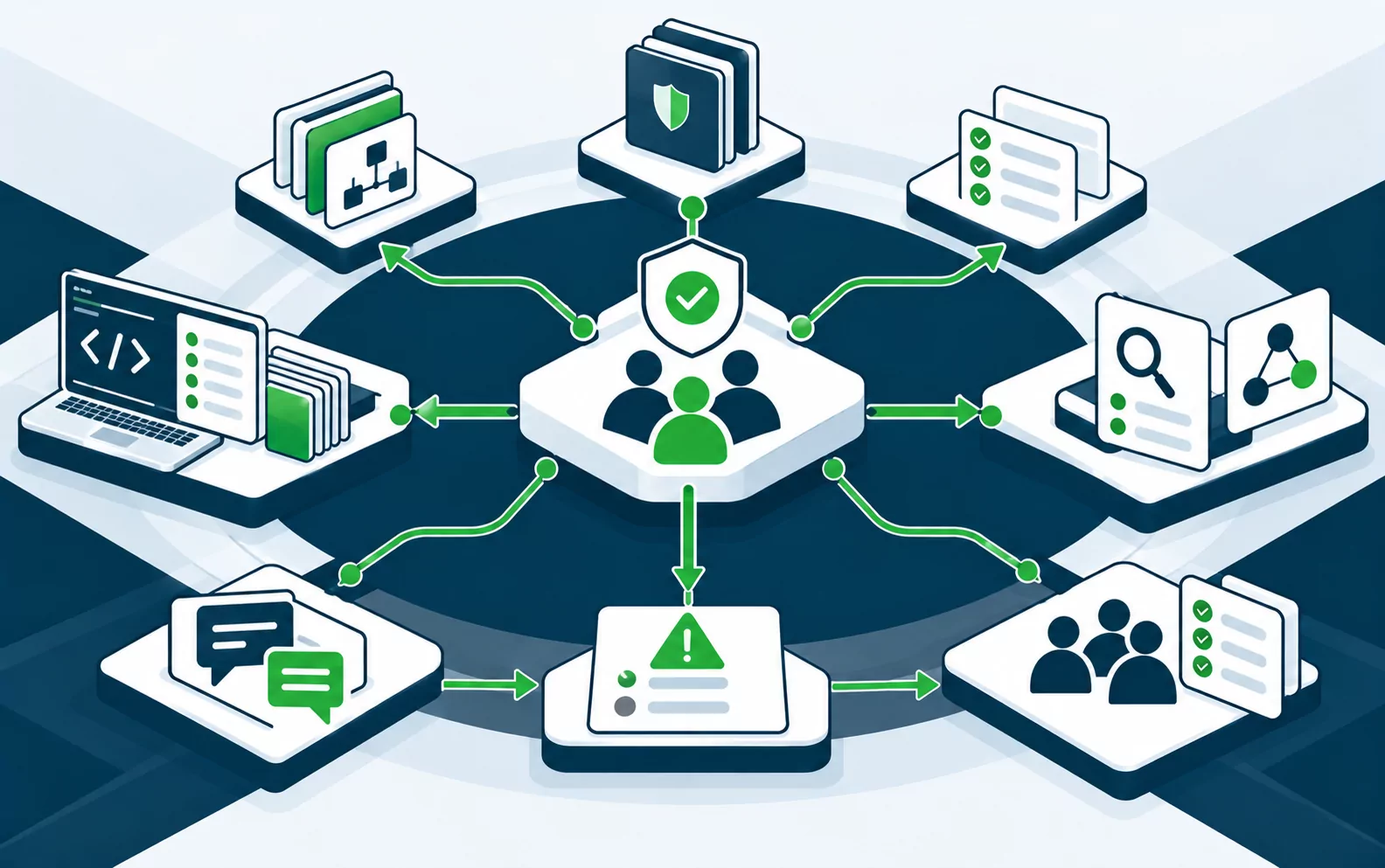
Outputs connect SD Elements configuration, tool integrations, and Security Champion enablement into one operating model, proven in a pilot before scale-out.
Application security operating model and workflow design
SD Elements project, profile, and requirements configuration
Tool and issue-management integration design, including MCP workflows with permissions and human review points where in scope
Security Champion guidance and enablement materials
Evidence, exception, reporting, and adoption model
Pilot results and a scale-out recommendation
Results for Security and Engineering Teams
Security requirements available earlier in design and development
Better alignment between application risk and required controls
Less manual translation between security and engineering teams
Stronger evidence for governance and audit
A practical path for introducing agentic assistance into AppSec workflows
Related Services
AI Security
AI applications and agents assessed and protected across every connection they reach.
Explore AI SecurityGovernance Risk and Compliance
One control framework that satisfies multiple obligations with evidence from daily operations.
Explore Governance Risk and Compliance