
Give Product Teams a Secure and Repeatable Path to Production
Internal platforms turn infrastructure, pipelines and controls into self-service capabilities, so teams deliver consistently while security, operations and compliance guardrails stay intact.

Platform Engineering Capabilities
Platform strategy and current-state assessment
Internal developer platform architecture
Standardized application and infrastructure templates
Infrastructure as code and configuration automation
Container platform and orchestration enablement
CI/CD and artifact platform integration
Secrets, identity, access, and certificate integration
Observability and operational readiness patterns
Self-service workflows and developer portals
Platform governance, service ownership, and lifecycle management
Governed Platform Service Catalog
Present the internal platform as a set of supported services with clear consumers, owners, interfaces, guardrails, and lifecycle responsibilities.
Developer portal
Golden paths
Infrastructure services
Security guardrails
Observability
Platform support
A Product Mindset for the Platform
Internal platforms fail when they are built for engineers instead of with them. Running the platform as a product, with real users, a roadmap and service expectations, turns it into the fastest path to production rather than another mandate.
The platform has defined users, services, ownership, standards, feedback channels and a roadmap. The first release targets the highest-friction tasks and the most reusable capabilities, and new services are added as adoption, evidence and demand justify them.
Developer experience research and friction mapping
Platform product vision, roadmap and ownership model
Golden paths for the most common application patterns
Developer portal and self-service onboarding
Feedback loops, adoption measures and satisfaction tracking
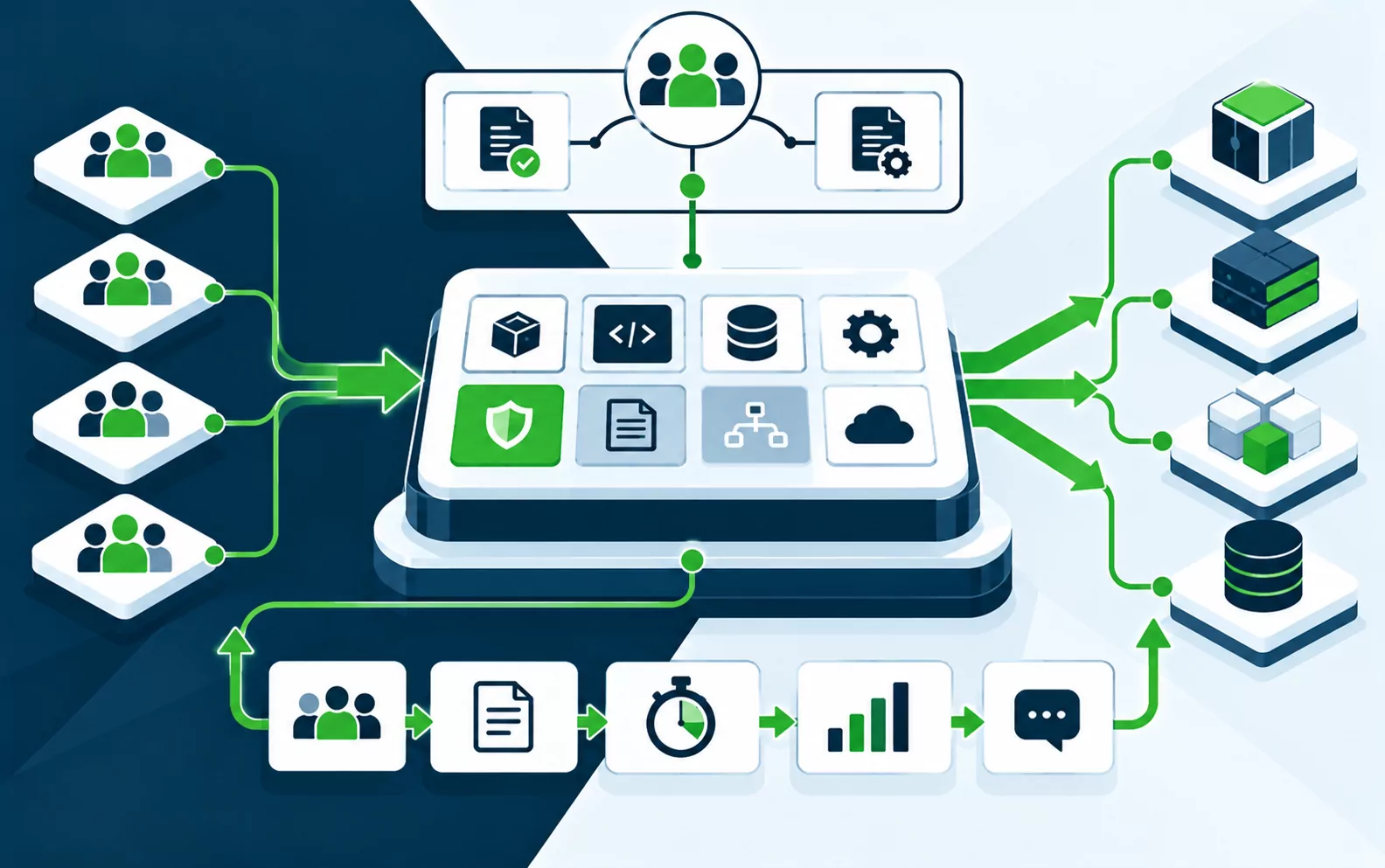
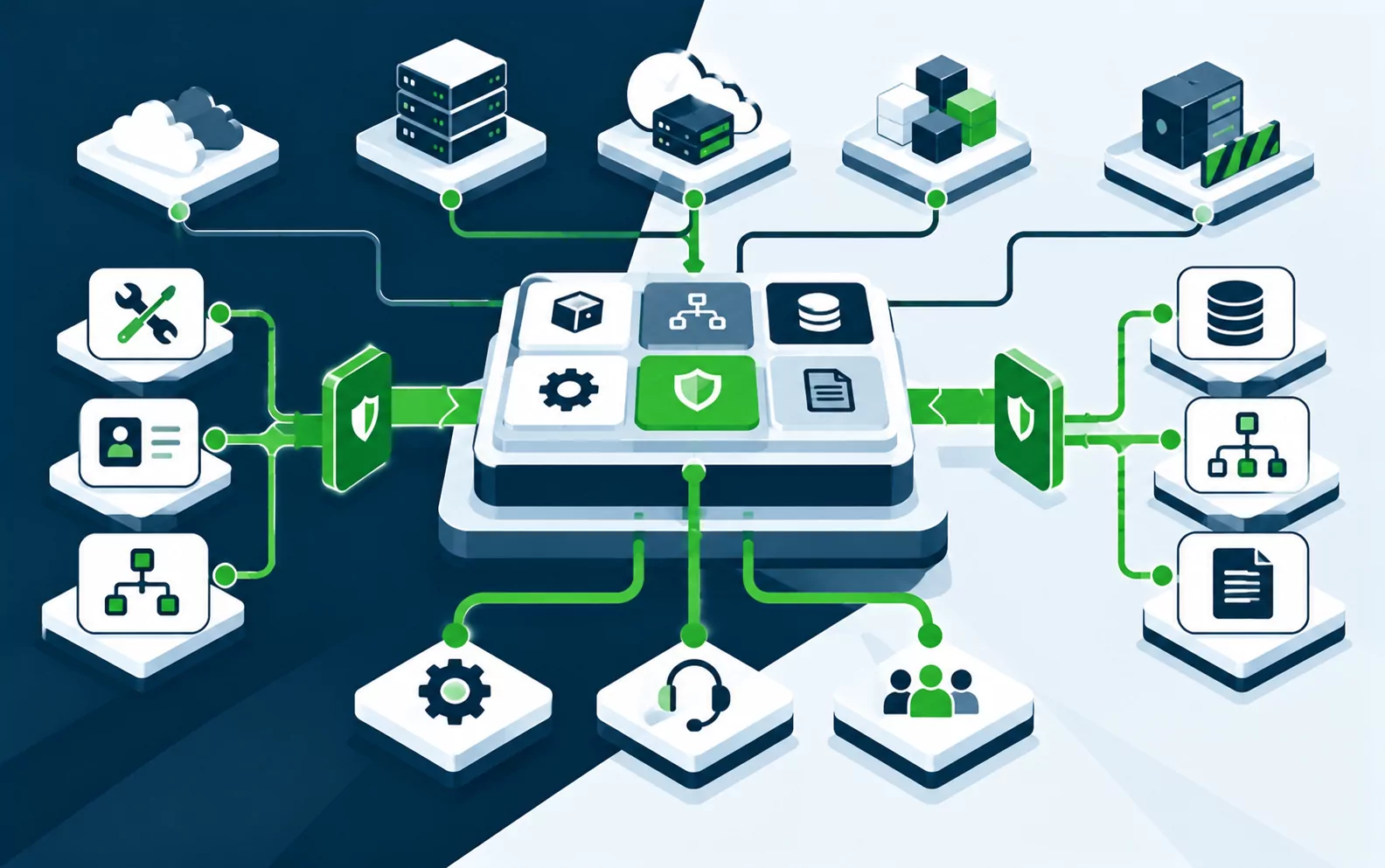
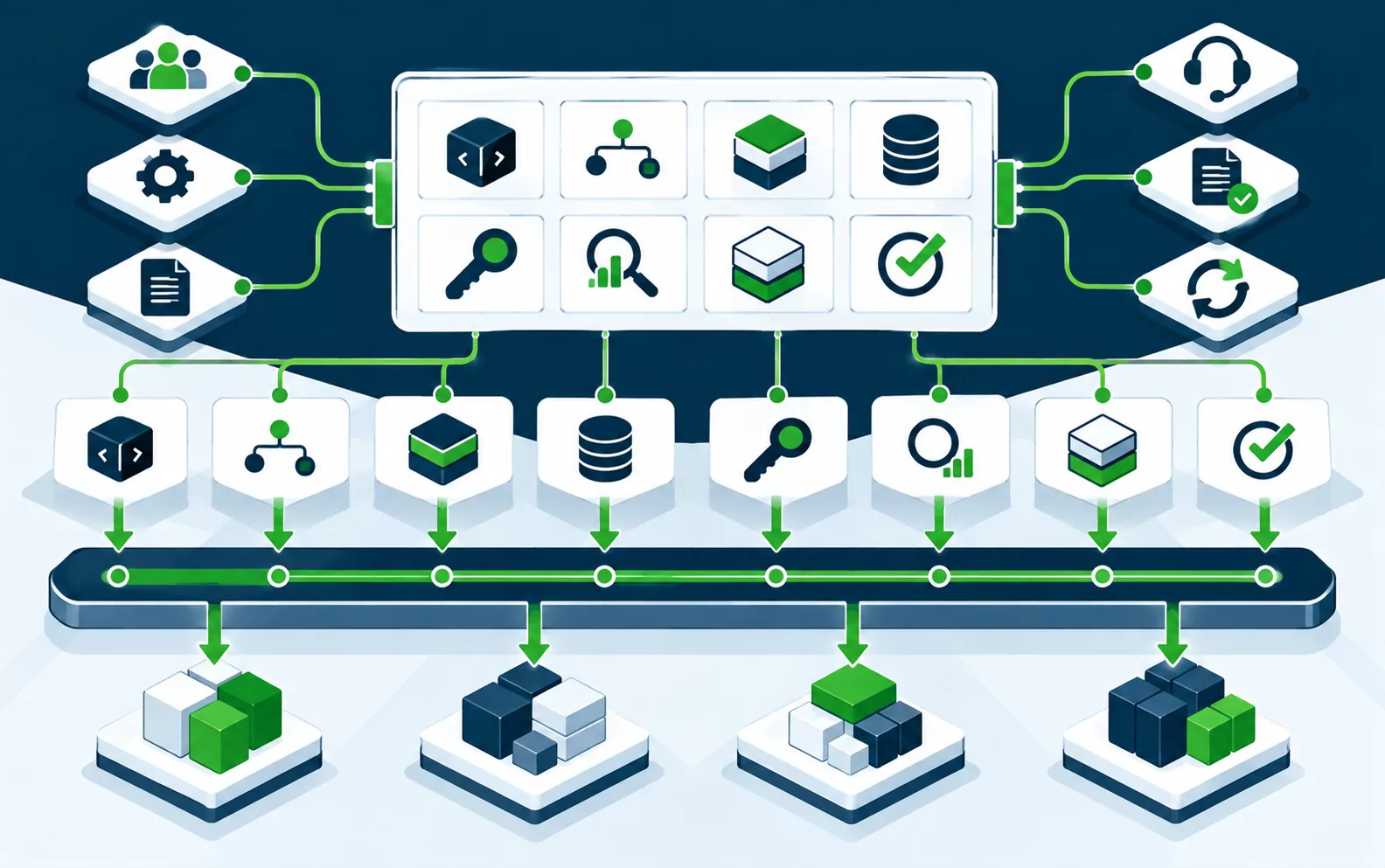
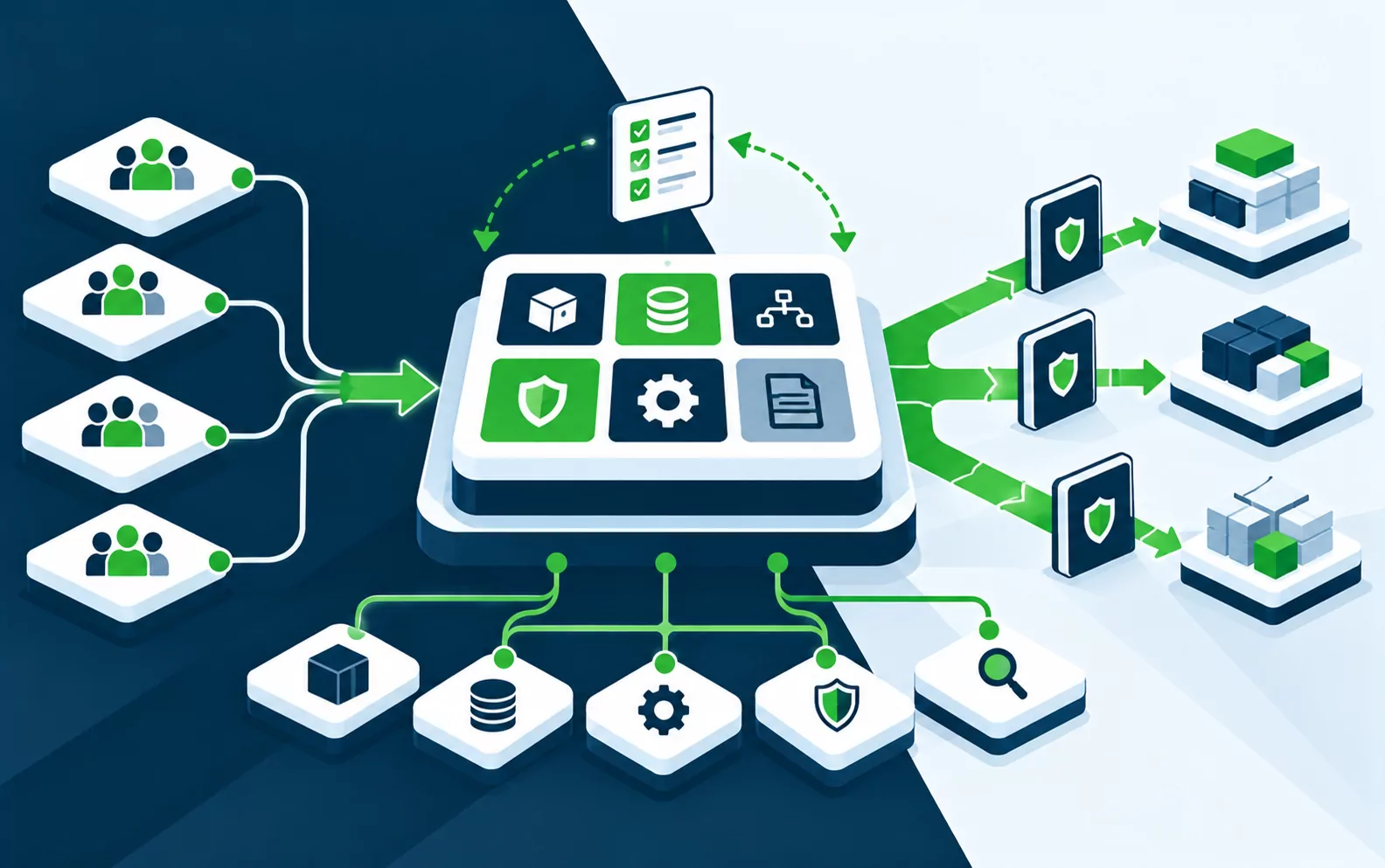
An Internal Platform Run as a Product, Not a Project
Deliverables cover the platform itself and the product model around it: who it serves, what it offers, how it is supported, and how adoption is measured.
Platform strategy, user research, and a prioritized service roadmap
Reference architecture and platform product model
Golden paths, templates, self-service workflows, and guardrails
Service catalog, ownership model, and support procedures
Observability, reliability, and operational-readiness standards
Adoption plan, documentation, and platform performance measures
What Product Teams Gain
Faster onboarding for product and development teams
Consistent delivery patterns across applications
Reduced duplication in pipelines and infrastructure
Embedded security and compliance controls
Clear platform ownership and service boundaries
Better operational visibility and supportability
Related Services
Cloud Modernization
Workloads modernized in sequence by value, risk and readiness.
Explore Cloud ModernizationEnterprise Open-Source Solutions
Open-source platforms selected, hardened and supported like business-critical technology.
Explore Enterprise Open-Source Solutions